
Reviewed · WALKING TOURS
Walking Tour in Lausanne Switzerland
Lausanne gets easier fast. This 2.5-hour highlights walk strings together the city’s best architecture and smart urban planning, with just enough story to make it all click. I like tours like this because the route feels purposeful, not random, and you get a clear sense of where everything sits in real life.
Two things I like a lot are the guide, Ilona, who brings humor and clear context, and the way the itinerary mixes big landmarks with smaller sights you would skip on your own. The small group size also helps, especially when you want to ask a question and actually get an answer.
One consideration: it is still a real walking tour, so you should be comfortable with a moderate amount of walking and some up and down. It is also not recommended if you have a walking disability.
In This Review
- Key things to know before you go
- Why this 2.5-hour Lausanne walk makes sense on day one
- Step into Cathedrale de Lausanne and its Giugiaro organ
- Palais de Rumine and the Place de la Riponne story
- Tour de l’Ale: a defense tower with neighborhood roots
- Chauderon Bridge, built for function in 1904 to 1905
- Casino de Montbenon and the gardens that actually feel local
- Rue du Grand-Pont and the traffic plan behind the view
- Lausanne train station platforms: 1856 to 1916 and the city’s growth
- Guide, group size, and how the experience feels in real time
- Price and value: what you pay and what you skip
- What to wear and bring for comfort (and rain)
- Who should book this Lausanne walking tour
- FAQ
- How long is the Walking Tour in Lausanne?
- What language is the tour offered in?
- Where does the tour start?
- When does the tour run?
- Is admission included for every stop?
- What should I know about fitness and accessibility?
- Is there an age limit?
- Should you book this Lausanne walking tour?
Key things to know before you go
- Ilona’s pacing and humor: her storytelling makes the route feel easy to follow
- A practical first-day route: the walk connects the Cathedral area down toward the station
- Many stops have free entry: you can see a lot without paying for most admissions
- Rain support: when the weather turns, the guide looks for sheltered spots and a place to warm up
- Small groups: maximum 15 travelers, which keeps the walk from feeling chaotic
- Mobile ticket included: no stress about printing, just have your phone ready
Why this 2.5-hour Lausanne walk makes sense on day one
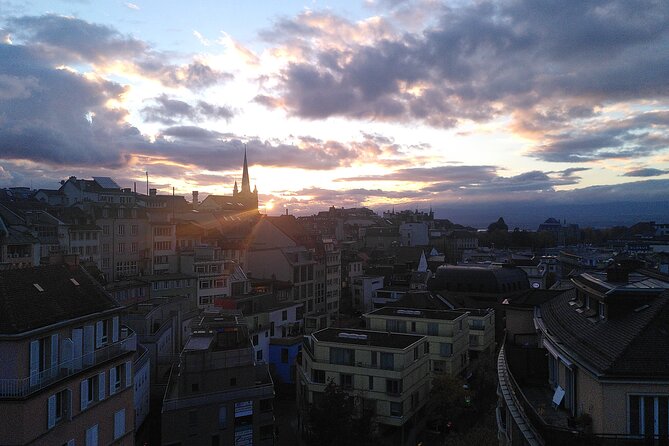
If you only have a day (or even a half day) in Lausanne, you need two things: orientation and context. This tour is built for both. You start near the Cathedral area, then work your way through central sights and down toward the train station, so you finish with a mental map of how Lausanne is laid out.
The sweet spot here is the time. At about 2 hours 30 minutes, you get enough stops to feel satisfied, but not so much that you are dragging yourself through the city. The pace also leaves room for quick looks and short moments to just take it in, which matters in a city with changing elevations.
And you are not stuck with a checklist of random photos. The guide connects each place to a bigger story, like how defenses shaped neighborhoods, how bridges handled traffic, and how a major railway station changed the city’s growth.
More Walking Tours in Lausanne
- Vine Stories: Lavaux & Lutry wine walk
★ 5.0 · 67 reviews - Gourmet Food and Wine Tasting Walk in Lavaux
★ 5.0 · 11 reviews - Lausanne: Private Walking Tour with a Local Guide
★ 4.8 · 10 reviews
Step into Cathedrale de Lausanne and its Giugiaro organ
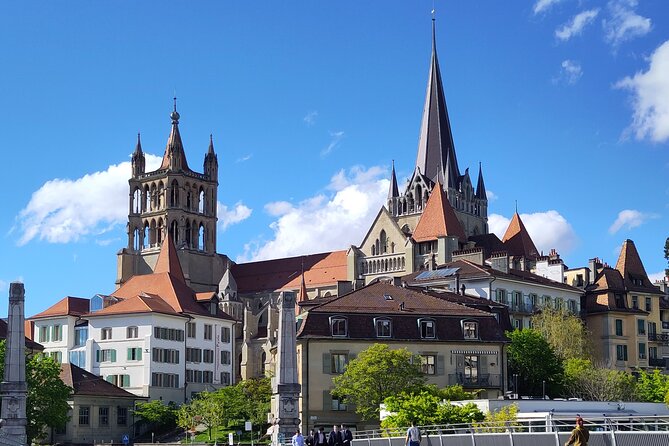
The tour starts with a visit to the Cathedrale de Lausanne. You do not just stand outside, you get time inside to walk around the déambulatoire and look closely at the stained glass windows and the Gothic architecture. This is the kind of stop that rewards attention. Even if you are not a church-history person, it is easy to understand what you are seeing once someone points out the design cues.
A highlight is the organ designed by Giugiaro. That detail adds personality, because it connects the Cathedral to a specific craft tradition rather than treating it as a generic landmark. Entry is free, so you are not stuck paying just to get a basic orientation.
Time on this stop is about 25 minutes. That is enough to see the key parts without turning it into a long religious detour. If you want to take photos, bring a steady grip, because the interior is often dimmer than you expect.
Palais de Rumine and the Place de la Riponne story
Next you cross Place de la Riponne and head to the Palais de Rumine. This part works well because it teaches you how to read a city building as a timeline. You get a brief explanation of what the building represented historically, plus how it is used today.
One of the more useful facts here is when the building started: construction began in September 1898, designed by Lyon architect Gaspard André. That kind of detail makes the architecture feel less like decoration and more like a decision the city made at a specific moment.
Entry is free, and the stop is about 20 minutes. The pacing is quick, so you should come ready to look, not to research. If you love architecture, you can take a few extra seconds at the end to inspect stonework or facade details while the group regroups.
Tour de l’Ale: a defense tower with neighborhood roots
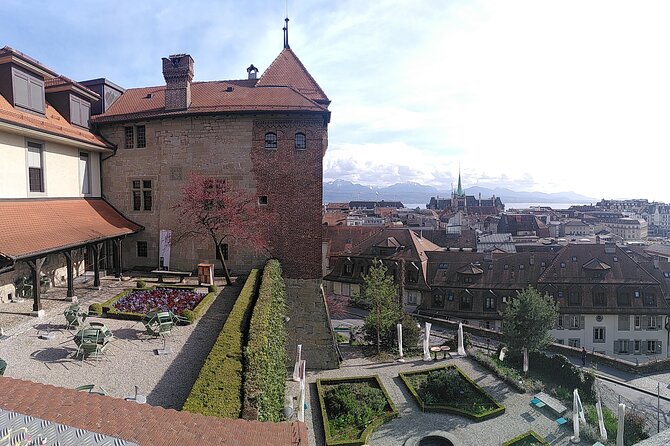
Then you get to the Tour de l’Ale. The approach here is simple: a walk around the tower and a historical context talk. Built in 1340, its main job was defensive, tied to the Faubourg de l’Ale, a district outside the city walls that later extended in front of the Porte de Saint-Laurent.
This is a great stop for people who like connections. After the Cathedral’s religious Gothic vibe, it is a shift to military thinking. You start to understand Lausanne as a changing system, not just a set of pretty buildings.
Two practical notes. First, the tour says the tower admission is not included, so you should expect that you might not go inside. Second, it is still only around 20 minutes, so the best use of your time is listening and looking at what is visible from outside.
A few more Lausanne days worth weighing up
- Lausanne: Walking Tour with Chocolate Tastings & Metro
★ 5.0 · 9 reviews - Lausanne: Express Walk with a Local in 60 minutes
★ 4.2 · 5 reviews - Lausanne: Cultural and Historical Guided Walking Tour
★ 5.0 · 5 reviews - Guided Walking Tour in Lausanne
★ 5.0 · 3 reviews
Chauderon Bridge, built for function in 1904 to 1905
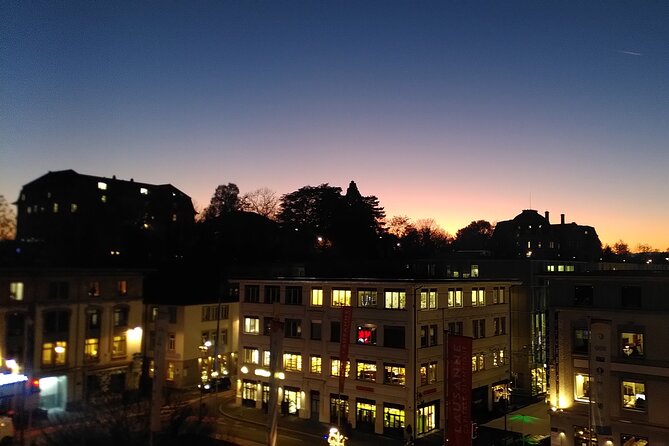
The walk then takes you over Chauderon Bridge, which is built between 1904 and 1905. What I like about this stop is that bridges are often treated like boring infrastructure, but Lausanne’s bridges are part of the city’s story about movement.
The bridge is made up of two parallel bridges. That is a small technical detail, yet it helps you picture how the crossing was designed. For you as a visitor, it means you can spot not just the crossing, but the logic behind it.
Entry is free, and the stop is about 20 minutes, including time to cross and hear the context. If the weather is poor, bridges can be exposed, so keep an eye out for the guide’s rhythm. Based on the guide style, you will likely get your sheltered breaks as the route continues.
Casino de Montbenon and the gardens that actually feel local
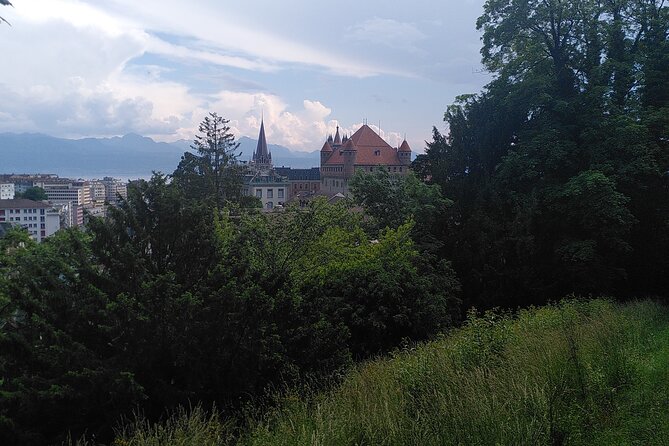
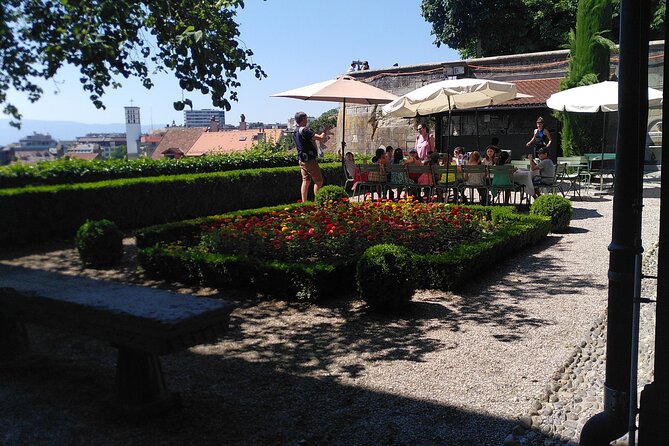
One of the more interesting stops is the Casino de Montbenon and its gardens. Built in 1908, it has a very specific identity, and the tour clears up a common assumption: despite the name, it has never housed a games room.
You get about 20 minutes here, including time in the gardens. I like gardens on a city tour because they give your legs a break without breaking the flow. It is also one of those stops where you can slow down for a few minutes and just absorb how Lausanne people use outdoor space.
Entry is free, which is a big plus. This is also where a good guide makes a difference. Ilona is reported to find good breaks during bad weather, including warmer options later, so this stop tends to be a reset point in the middle of the walk.
Rue du Grand-Pont and the traffic plan behind the view
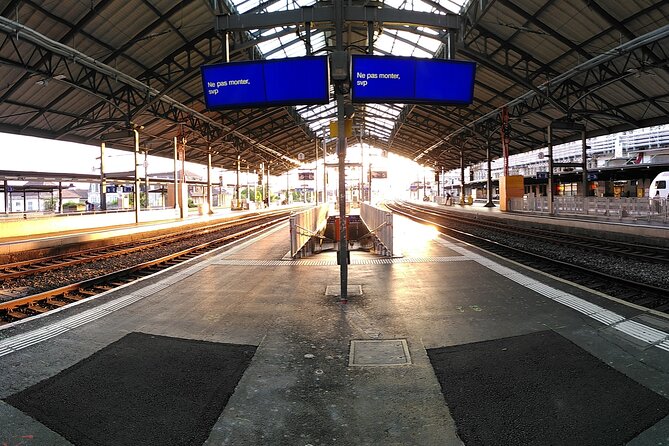
Next comes the Grand Pont area with a view and historical explanation on Rue du Grand-Pont. This is a short stop, around 15 minutes, but it packs an important idea: urban design is often about solving problems quietly.
The tour explains that the Grand Pont was part of plans by engineer Pichard to avoid traffic jams in the old town. Work began in 1839 and finished in 1844, with pomp, but also driven by safety concerns. Those details help you understand why a bridge matters even if it does not look like an attraction.
When you visit, take a moment to study how the bridge connects streets and how it frames the view. You will start to notice the city’s “circulation” the same way the guide does. It is not just a photo moment, it is a planning moment.
Lausanne train station platforms: 1856 to 1916 and the city’s growth
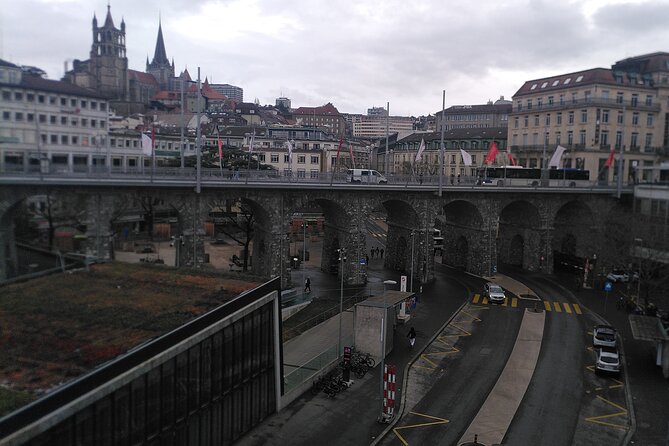
The final major highlight is the Lausanne train station and especially the platform area. The stop is about 20 minutes, and you get both a big-picture story and something you can see with your own eyes.
The station was inaugurated in 1856 and it changed Lausanne’s urban landscape, pushing growth to the south. The station building as you see it today dates to 1916. That timeline matters. You begin to understand why Lausanne looks the way it does now, including the way the city expanded beyond older limits.
This is also one of the most useful stops for practical travel. When you see a station from the inside and understand where platforms sit, you get calmer and more confident about navigating trains and walking directions later. It turns the station from a vague transportation hub into a landmark you can orient around.
Guide, group size, and how the experience feels in real time
This tour runs with a professional guide and a maximum group size of 15 travelers. That number changes the experience. It is small enough for a slower, more human pace, and it is large enough that the walk does not feel like a private lecture.
The standout praise is for Ilona, described as smart, funny, and very good at sharing context without making it heavy. She is also praised for route design and for handling rain with smart timing, finding sheltered places to stop and even a nice cafe break to refresh.
You should expect a moderate walking level. There is enough movement between stops that you will feel it in your legs, especially if you are not used to city hills. If you have trouble with long walks, this may not be the best fit.
Also, the tour is English-only, and it is for people 16 years or older. Service animals are allowed, and the meeting point is near public transportation, so you should be able to arrive without major hassle.
Price and value: what you pay and what you skip
The price is $79.31 per person for about 2 hours 30 minutes. For Lausanne, that is a solid value if you use the guide to speed up your learning and orientation.
Here is the key value question: what is included versus not included. You get the professional guide and a mobile ticket. Many of the major stops have free admission listed, including the Cathedral interior visit, Palais de Rumine, Chauderon Bridge, Casino de Montbenon, and the Grand Pont view area, plus the train station time.
What is not included includes:
- Tour de l’Ale admission (the tower portion)
- An entrance fee for MHL at CHF 12 per person
- Snacks and drinks, with a note that you might spend about CHF 12 total for a typical snack stop depending on what you order
If you show up planning to pay only a small additional amount, you should be fine. If you think every stop means paying and entering, adjust your expectations early. The route is designed so you still get a lot of value even when something does not include an admission.
What to wear and bring for comfort (and rain)
Since this is a walking tour through central Lausanne, plan like it is half a day of moving. Wear shoes you trust. The tour information suggests bringing good shoes because surfaces can be uneven near older areas and bridges.
Bring a small layer. Even in pleasant weather, open-air sections like bridges and outdoor views can feel cooler. If rain pops up, you are not on your own. The guide is reported to manage weather well by finding sheltered spots and an easy warm-up pause partway through.
For your day, also think about how you will handle breaks. The itinerary is mostly timed, so if you want extra time at any single place, you will have to do it at a quick moment when the group is paused. It helps to know which stops you care most about beforehand: Cathedral interior, Casino gardens, or station platforms.
Who should book this Lausanne walking tour
You should book if:
- You want a clear first-day orientation in Lausanne
- You enjoy architecture and urban design details with practical context
- You like tours with a guide who can make history feel human and light
- You prefer a route that includes a mix of major landmarks and smaller story stops
You might skip it if:
- You need a fully accessible route, since it is not recommended for people with walking disability
- You want a low-walking, mostly seated experience
- You are only interested in museums with timed indoor entry, because several key stops are free and mostly exterior or quick interior visits
This is also a strong fit for solo travelers, couples, and anyone traveling with a tight schedule. The small group size keeps it social without being noisy.
FAQ
How long is the Walking Tour in Lausanne?
It is approximately 2 hours 30 minutes.
What language is the tour offered in?
The tour is offered in English.
Where does the tour start?
The start point is Lausanne History Museum, Pl. de la Cathédrale 4, 1005 Lausanne, Switzerland.
When does the tour run?
It operates daily with different start times depending on the season, with morning and afternoon options listed for 2025 to 2026.
Is admission included for every stop?
Most listed stops have free admission, but the Tour de l’Ale admission is not included, and there is also an entrance fee for MHL at CHF 12 per person that is not included.
What should I know about fitness and accessibility?
The tour is for people with a moderate physical fitness level. It is not recommended for people with walking disability.
Is there an age limit?
Yes. Participants must be 16 years or older.
Should you book this Lausanne walking tour?
If you want a smart way to get your bearings and learn why Lausanne looks the way it does, this is a great choice. The biggest reason is the combination of route design and guide quality, with Ilona specifically praised for making the walk both funny and easy to understand. You also get good value because many stops are free, and the timed structure keeps the experience from feeling like wandering.
Book it if your goal is highlights plus context, and you are comfortable with a moderate walking day. Skip it if accessibility needs are a top priority or if you want a more relaxed, sit-down type of sightseeing plan.
Newly reviewed around Lausanne
- Riviera Col du Pillon & Glacier 3000 from Lausanne★ 5.0 · 32 reviews
- Round trip cruise from Lausanne to Chillon★ 3.5 · 15 reviews
- Winter Gruyères, chocolate & cheese tour from Lausanne★ 4.5 · 10 reviews
- Lausanne (City Center) Scavenger Hunt and Sights Self-Guided Tour★ 4.5 · 14 reviews
- Discover Lausanne’s most Photogenic Spots with a Local★ 5.0 · 9 reviews
- Taste Lausanne – A Full Swiss Food Tour by Do Eat Better★ 5.0 · 14 reviews
- Historic Lausanne: Exclusive Private Tour with a Local Expert★ 4.0 · 5 reviews
- Medieval Lausanne: A Self-Guided Audio Tour★ 3.5 · 3 reviews
Walking Tours, compared.
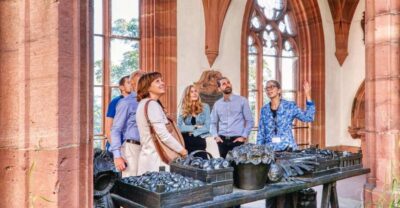
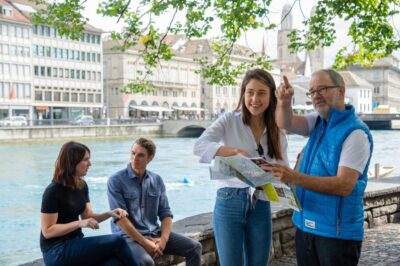
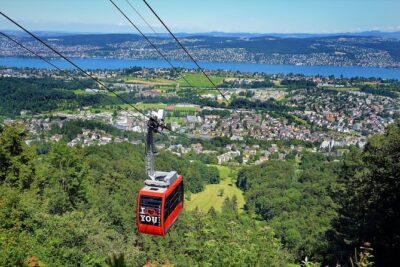
Zurich Walking Tour With Cruise and Aerial Cable Car
Read our review →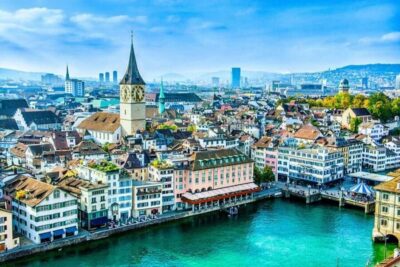
Lucerne Walking & Boat Tour: The Best Swiss Experience
Read our review →
3 in 1: Zurich Walking Tour – Cruise on the Lake – Cable Car Ride to Felsenegg
Read our review →Browse the lists this tour appears in