
Reviewed · WALKING TOURS
Vaduz Private Guided Walking Tour
Vaduz is small, but it has stories. This 90-minute private walking tour turns the capital of Liechtenstein into an easy, guided loop through medieval roots, princely power, and the everyday feel of the city center. I especially love how the guide connects place names and landmarks, so facts stop feeling like trivia, and how the walk mixes government sites with street-level details you would otherwise miss.
What I like next is the focus on real context, including Liechtenstein family legacy and the impacts of major historical moments like the Swabian War. If you are expecting a big-city day with lots of stops or long museum time, the one small drawback is that Vaduz is compact, so you will feel the pace is brisk and the sightseeing is intentionally focused.
In This Review
- Key points before you start walking
- Why Vaduz makes sense in a short, guided loop
- Where you meet in Städtle, and why that matters
- Medieval origins: from Faduzes to the Rhine-linked capital
- The Swabian War and how borders leave fingerprints
- Liechtenstein rule made visible: Parliament, government buildings, and monarchy
- Das Städtle: the pedestrian core where you see daily life
- International sculptures and why public art changes the feel of a city
- What the 90 minutes feel like on the ground
- Price and value for a private group up to 15
- Practical tips to get the most from the walk
- Who this tour is best for
- Should you book Vaduz Private Guided Walking Tour?
- FAQ
- How long is the Vaduz Private Guided Walking Tour?
- What is the meeting point?
- Is the tour private?
- What language is the guide?
- How much does the tour cost?
- What is included in the price?
- Are entrance fees included?
- Is there free cancellation?
- Can I reserve and pay later?
- Is customization possible during the tour?
Key points before you start walking
- Private guide, just your group, with live English commentary throughout
- 90 minutes in the core, built for seeing a lot without sprinting across town
- Medieval origins to modern government, including the castle era and constitutional hereditary monarchy
- Parliament and government buildings, with a chance for special access if the schedule allows
- Public art in the center, including sculptures by international artists
- Städtle walking zone, the main pedestrian hub for street life and local rhythm
Why Vaduz makes sense in a short, guided loop
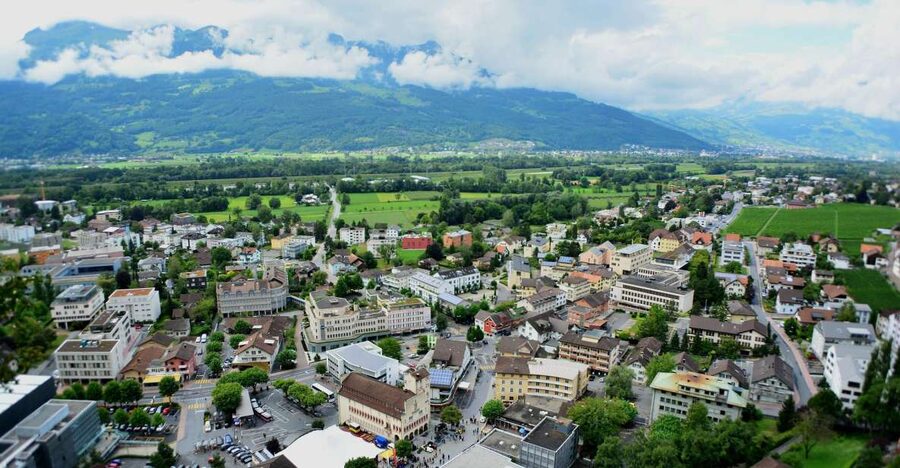
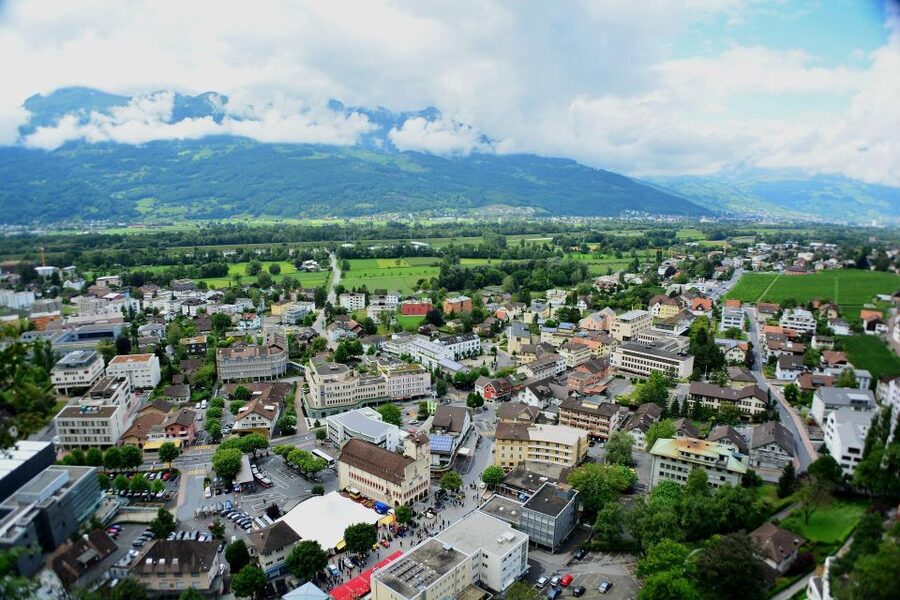
Vaduz is the kind of capital that quietly refuses to be underestimated. You are in Liechtenstein, a country with fewer than 6,000 residents in the capital area, and that changes how you experience it. Instead of “covering ground,” you are learning how the same few blocks can hold centuries of rule, trade routes, and modern governance.
In this tour format, you get a structured way to see the center without getting lost in it. Vaduz has strong visual anchors, like official buildings and a neo-gothic cathedral, but the real payoff is the way a good guide explains what those buildings mean in everyday terms. That is how you end up understanding why a place can be tiny and still feel politically significant.
A few more Switzerland days worth weighing up
- Walking Tour through Basel Old Town
★ 4.7 · 1,040 reviews - Zurich Old Town Walking Tour: 2-Hours
★ 4.6 · 1,008 reviews - Zurich Walking Tour With Cruise and Aerial Cable Car
★ 5.0 · 669 reviews
Where you meet in Städtle, and why that matters
You will meet in front of the tourist office at Liechtenstein Center, Städtle 39, 9490 Vaduz. Starting here is smart because Städtle is the pedestrian core of town, so you begin already in the area that feels most local.
From a practical standpoint, starting at the center also helps if your time is limited. A 90-minute walk can vanish if you waste time crossing from one far edge of town to another, and this route stays anchored where most visitors naturally want to be anyway. You will be walking with your guide the whole time, so you can ask questions as you see each spot rather than trying to remember details later.
Medieval origins: from Faduzes to the Rhine-linked capital
The tour begins with the big “why” behind Vaduz: how the town formed where it did. Vaduz sits along the Rhine River, and the Rhine mattered because it connected trade routes. The town also sits as a mountain enclave, which historically made it strategic and, in a sense, protected.
One of the neat historical threads you will hear is the name story. Vaduz was originally called Faduzes, and the name points back to Latin roots associated with aqueducts. You do not need to become a linguist to enjoy this. What you get is a sense that the town’s identity formed through infrastructure and control, not just romance or scenery.
Then the guide moves you toward the Middle Ages and the idea of a secluded castle built when that kind of fortress power was the rule. The castle, standing above the city, is described as the main residence of the Prince of Liechtenstein and the remaining ruling family. Even when you are not inside, it becomes a mental picture for how the city’s power structure worked.
The Swabian War and how borders leave fingerprints
History lessons can be dry. This is different because it focuses on how conflict changes who controls what. The tour includes the impact of the Swabian War, and it is presented in a way that helps you understand why Liechtenstein’s territories evolved the way they did.
You will also hear about the Liechtenstein family legacy, and that is useful because it ties the medieval storyline to a specific ruling line rather than leaving you with a vague “important people lived here.” When you understand who held authority, you can look at government buildings later and see them as extensions of a long political thread.
There is also a key territorial theme: the town acquisition by Schellenberg and Vaduz. That may sound like paperwork, but it is actually the story of how lands became linked under one political roof. In a small place like Vaduz, these transitions matter because the physical layout does not hide them. You can feel the changes in the institutions that developed.
Close by, and a different sort of outing:
- Lindt Home of Chocolate Museum Entry Ticket
★ 4.7 · 9,329 reviews - Zurich: Grindelwald, Interlaken & Lauterbrunnen Day Trip
★ 4.6 · 7,123 reviews - Zurich: City Tour, Cruise, and Lindt Home of Chocolate Visit
★ 4.5 · 4,624 reviews - Geneva: 50-Minute Lake Geneva Cruise
★ 4.3 · 4,063 reviews
Liechtenstein rule made visible: Parliament, government buildings, and monarchy
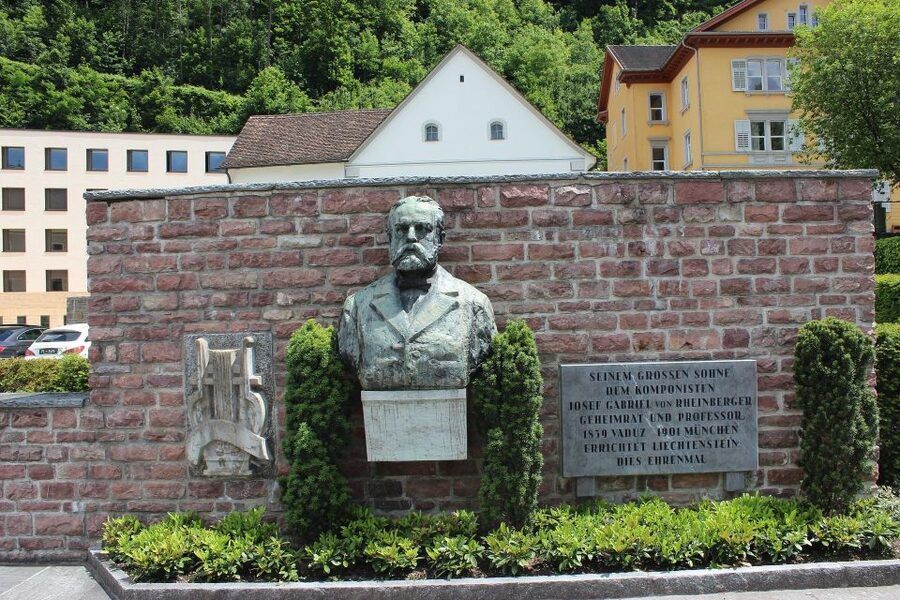
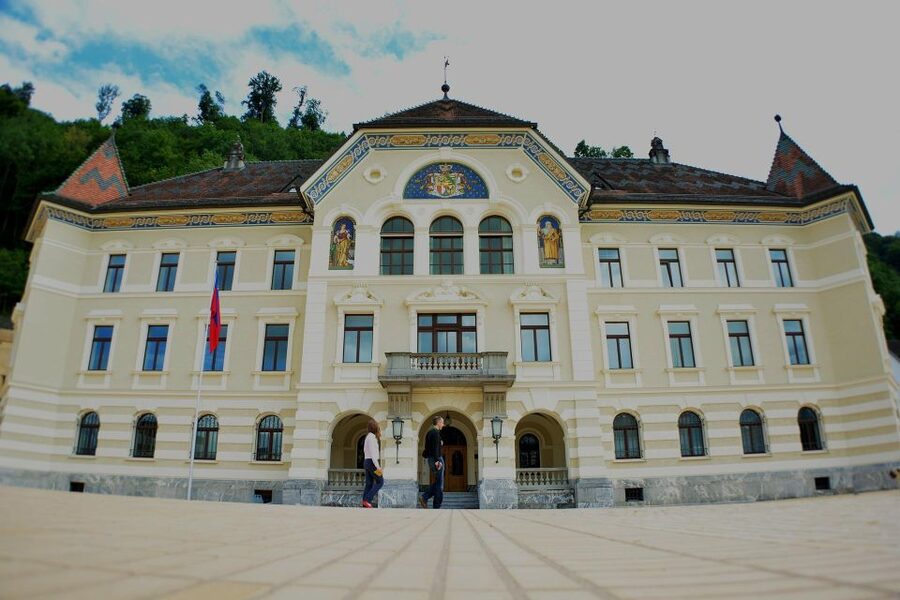
The middle of the tour is where Vaduz becomes modern and official. You will learn about the particularities of the Liechtensteiner government, described as a constitutional hereditary monarchy. That phrase is doing a lot of work, and a good guide helps you translate it from a textbook idea into something you can picture in the city.
You will also visit or pass key official buildings, including the government building and the impressive Parliament building next to it. This is also where the tour can exceed expectations. In one instance highlighted by your guide staff, the guide Lenard took the group inside the Parliament building. That kind of access is rare in many small European capitals, so it is the sort of detail that makes this tour feel more than just a walk-by.
The big cathedral piece fits here too. The neo-gothic cathedral is small in size, but the guide explains why it is important, including the fact that it has only been considered a cathedral since 1997. That date matters because it shows how religious and administrative meanings evolve over time, even in historic-looking settings.
Das Städtle: the pedestrian core where you see daily life
After the official stops, you shift into street level with a walk through das Städtle, the busiest part of the city and pedestrian-exclusive. This is where you start to notice the rhythm of daily life. You are not just seeing famous structures, you are seeing how people move through them.
Städtle is useful for your understanding because it sits at the point where politics meets ordinary routines. You can connect what you learned about monarchy and government to where people actually spend time: strolling, shopping, pausing, and looking at the town like it is lived in, not performed for visitors.
If you have ever felt that “history walks” ignore modern life, this part corrects that. It is not a long break. It is a short, guided reminder that heritage is not frozen behind glass.
International sculptures and why public art changes the feel of a city
Vaduz also has public sculptures created by many international artists. That is exactly the kind of detail that can slip by without a guide, because you might see the works as background. A local guide frames them so you understand how contemporary culture sits in the same central space as government buildings and medieval memories.
This is one of the most enjoyable aspects of the tour because it adds a different lens. You stop thinking only in centuries and start thinking in how modern Liechtenstein chooses to represent itself. In a tiny capital, public art becomes a signal. It tells you that the country is not trapped in the past.
What the 90 minutes feel like on the ground
Ninety minutes is the sweet spot for Vaduz if your goal is comprehension, not completion. You will cover enough to feel oriented, but the pace stays manageable. Because it is a private group, your guide can slow down when you ask questions and move on when you want to keep moving.
Keep in mind that the tour is a walking tour, so wear shoes that handle uneven surfaces. Also, since entrance fees are not included, you should expect that some stops are primarily exterior or view-based, unless your guide confirms otherwise for the day.
The format also helps if you are traveling as a pair or a small group. With a private setup, the guide can respond to your interests, whether you care most about the Liechtenstein family line, the Swabian War context, or the way government functions today.
Price and value for a private group up to 15
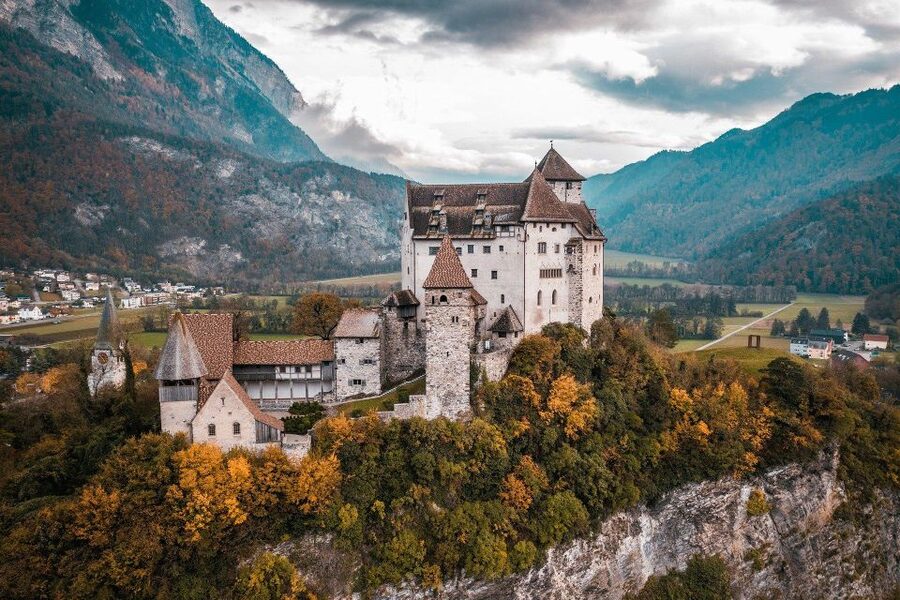
The tour costs $324 per group, up to 15 people, for 90 minutes. That is not “cheap,” but it is also not priced like a per-person museum ticket. You are paying for a private guide time block and local interpretation, which can be a strong value in a small capital where you want efficiency.
Here is the value logic I use: if you are traveling with more than one person, the per-person cost drops quickly because it is per group. If you are alone, it costs more on a single-seat basis, but it can still be worthwhile if you want a guided explanation in English and you plan to ask questions.
Also, the itinerary hits multiple themes in one loop: medieval origins, major historical impacts, the Liechtenstein dynasty, government buildings, a cathedral detail, and public art. In a place where everything is close together, the guide’s ability to connect those dots is the product you are buying.
Practical tips to get the most from the walk
Bring curiosity, not a checklist. The most rewarding moments tend to be when the guide connects the name of a place, the meaning of a building, and the broader historical events that shaped what you see.
A few practical ideas:
- If you care about special access, pay attention when the guide talks about the Parliament building and ask what is possible during your time window.
- Have a quick question ready about the constitutional hereditary monarchy concept, because the explanation can make a huge difference in how you interpret the official buildings.
- Take a minute at Städtle to just watch how people move. The tour explains it, and then your eyes confirm it.
Who this tour is best for
This is a great fit for you if:
- You like guided history that ties directly to what you see on the street
- You want a short, high-impact overview of Vaduz without turning it into a full day
- You value a private guide who can respond to your questions in English
It may not be ideal if you want lots of ticketed museum time or if you expect a long list of dramatic sights. Vaduz is compact, and this walk is designed to make you understand the city’s identity, not to exhaust every possible stop.
Should you book Vaduz Private Guided Walking Tour?
If you are intrigued by how small places develop big political meaning, book it. This tour gives you a clear 90-minute structure: medieval origins, a story-driven look at historical events like the Swabian War, and modern context through Parliament and the neo-gothic cathedral. The private format also means you get real interaction, and the fact that a guide named Lenard has taken groups inside the Parliament building makes this feel like more than a basic overview.
Skip it only if you want a self-guided wander with zero structure, or if you are traveling for big, ticket-heavy attractions. For everyone else, this is an efficient way to understand Vaduz instead of just passing through it.
FAQ
How long is the Vaduz Private Guided Walking Tour?
The tour lasts 90 minutes.
What is the meeting point?
Meet in front of the tourist office at Liechtenstein Center, Städtle 39, 9490 Vaduz, Liechtenstein.
Is the tour private?
Yes. It is a private group tour.
What language is the guide?
The tour is guided in English.
How much does the tour cost?
It is $324 per group, up to 15 people.
What is included in the price?
A local professional guide who will be with your group only. There may also be possible customization on the spot.
Are entrance fees included?
No. Entrance fees are not included.
Is there free cancellation?
Yes. You can cancel up to 24 hours in advance for a full refund.
Can I reserve and pay later?
Yes. You can reserve your spot and pay later.
Is customization possible during the tour?
Yes. The guide may be able to customize the tour on the spot based on your interests.
Newly reviewed around Switzerland
- Zurich/Bern/Interlaken/Lucern: Jungfrau & Lauterbrunnen Trip★ 5.0 · 7 reviews
- Zurich: Virtual Reality Arena★ 3.8 · 6 reviews
- Zurich’s best-kept secret: the hidden world of mushrooms!★ 5.0 · 7 reviews
- Zurich: Stein am Rhein, Rhine Falls & Lake Boat Cruise★ 3.2 · 15 reviews
- Zurich to Rhine Falls: Unforgettable Private Day Trip★ 4.8 · 3 reviews
- Zurich: Private tour to Interlaken, Grindelwald & Jungfrau★ 5.0 · 3 reviews
- Zurich: Professional Photoshoot at the Best Spots★ 5.0 · 31 reviews
- Zurich Pub Crawl – Dionysos Zurich Pub Crawl★ 5.0 · 3 reviews
Walking Tours, compared.
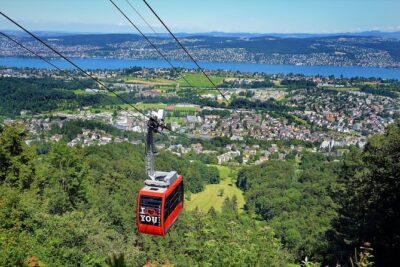
Zurich Walking Tour With Cruise and Aerial Cable Car
Read our review →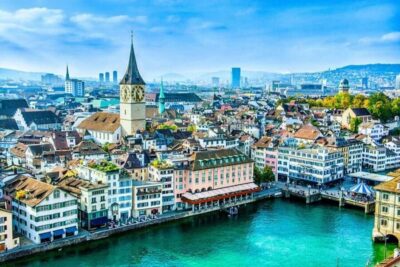
Lucerne Walking & Boat Tour: The Best Swiss Experience
Read our review →
3 in 1: Zurich Walking Tour – Cruise on the Lake – Cable Car Ride to Felsenegg
Read our review →Browse the lists this tour appears in