Reviewed · ZURICH TOURS
Switzerland: Swiss Half-Fare Card
A half-price ride in Switzerland is a big deal. The Swiss Half-Fare Card turns the country’s famously efficient public transit into a budget-friendly way to move. 50% off kicks in fast, and you can keep using it for 30 days while you hop between cities and mountain viewpoints.
What I like most is the freedom it gives you. I love that you can buy first-class or second-class tickets using the card, so you’re not stuck in one comfort level for every day. You also get the kind of flexibility that fits real plans, not rigid tours.
One consideration: you still need to think about seating. The card does not include seat reservations for regional and scenic trains, so you might do a bit of extra work depending on what trains you choose.
In This Review
- Key things to know before you buy
- Why the Swiss Half-Fare Card is such a practical Switzerland move
- How 30-day Half-Fare use actually feels on trains, buses, and boats
- Mountain railways and cable cars: where the savings usually land hardest
- First class vs second class with Half-Fare tickets
- Seat reservations: the one place you may still do extra planning
- Family travel: how the Swiss Family Card can keep costs down
- Proof and ticket handling: using your QR code without headaches
- A real value check: when $194 for 30 days makes sense
- Where this Half-Fare Card fits best, and where it might not
- Booking timing and eligibility details you should not ignore
- Should you book the Swiss Half-Fare Card?
- FAQ
- How long is the Swiss Half-Fare Card valid?
- Where can I start using the card?
- Can I buy first-class or second-class tickets with the card?
- Do kids ride free with this card?
- What do I need to bring?
- Are seat reservations included?
Key things to know before you buy
- Works for up to 30 days, so you can plan a multi-day rail route without re-buying
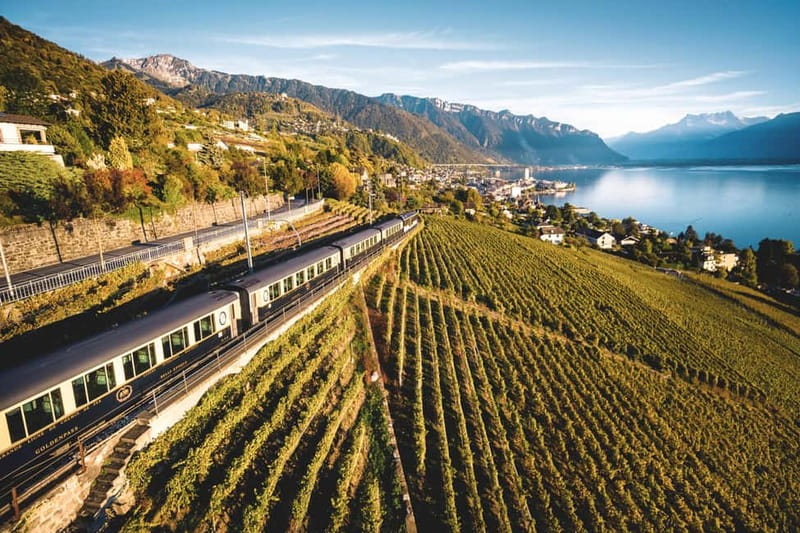
- Applies to most mountain railways and cable cars, not just flat-city commuting
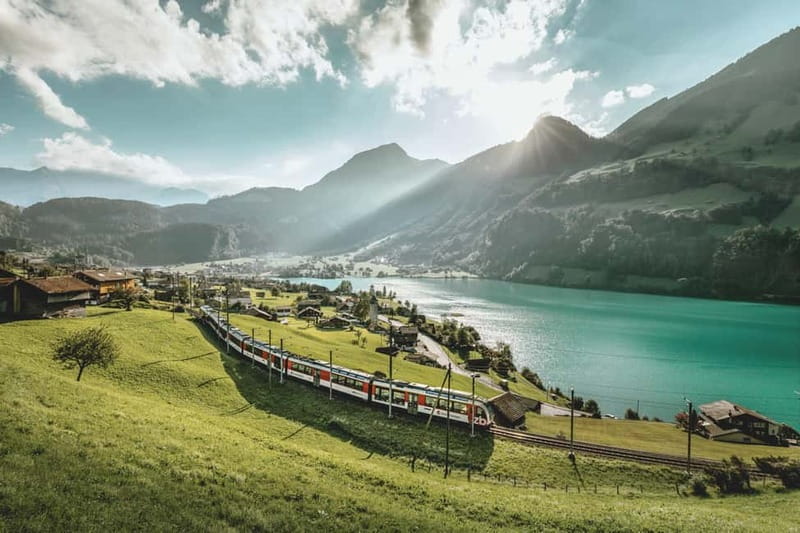
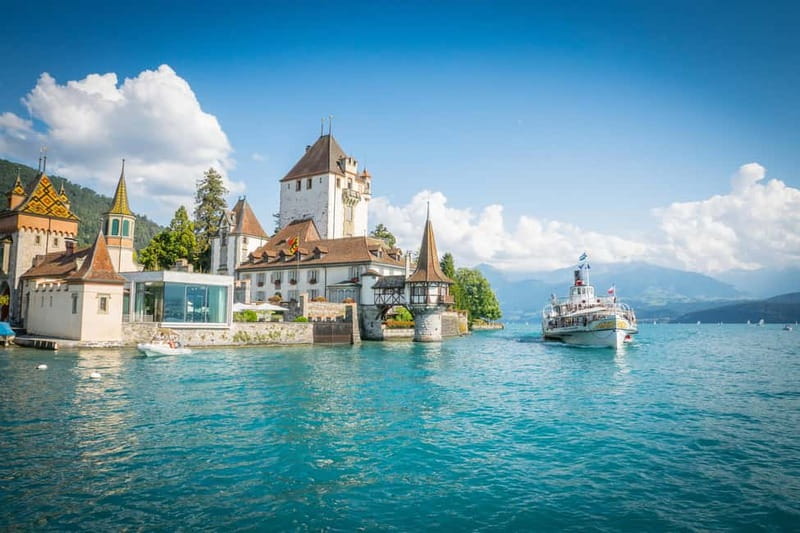
- Covers trains, buses, and boats, including the popular scenic water crossings
- First-class and second-class both work with the same Half-Fare Card
- Kids age 6 to 16 ride free with the Swiss Family Card when accompanied properly
- Seat reservations are extra on regional and scenic trains
Why the Swiss Half-Fare Card is such a practical Switzerland move
Switzerland’s public transport is top-tier, but the prices can feel sharp, especially when you mix city trains with mountain railways and cable cars. The Swiss Half-Fare Card is built for people who will actually use transit, not just do one postcard ride and call it a day.
The core idea is simple. You pay for a card once, then you keep getting up to 50% off public transportation across the country for 30 days. That “up to” matters, because Switzerland has different fare types depending on route and train category. Still, the card is meant for day after day of moving around, which is exactly how most good Switzerland trips unfold.
There’s another practical benefit that feels small until you need it: no fixed starting point. You can begin in any city or village of your choice. That lets you design your route around where you’re sleeping, not around where a ticket desk expects you.
More things to do in Zurich:
- Lindt Home of Chocolate Museum Entry Ticket
★ 4.7 · 9,329 reviews - Zurich: Grindelwald, Interlaken & Lauterbrunnen Day Trip
★ 4.6 · 7,123 reviews - Zurich: City Tour, Cruise, and Lindt Home of Chocolate Visit
★ 4.5 · 4,624 reviews
How 30-day Half-Fare use actually feels on trains, buses, and boats
When you have a Half-Fare Card, you’re not just saving money on one segment. You’re changing the cost of your whole travel style. With Switzerland’s network, your trip often turns into a series of short hops: one train to connect, one bus to get to a village, one boat to add a different angle on the same area.
The card is valid for trains, buses, and boats, and it’s also valid on most mountain railways and panoramic trains. In real terms, that means your “transport days” do not have to turn into “transport budget days.”
You’ll also notice the convenience side. The experience includes skipping the ticket line, which matters when you’re in a station with crowds and tight timing. Instead of standing around, you can focus on getting the right train and getting on.
One more detail that helps with sanity: the card supports both first-class and second-class ticket buying. So if you want a nicer ride for a long leg, you can choose first class without giving up the half-price benefit.
Mountain railways and cable cars: where the savings usually land hardest
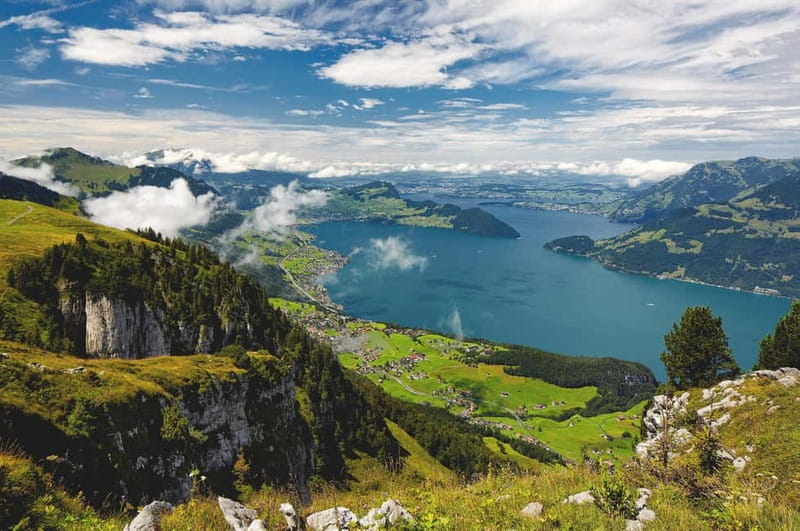
If you plan to see Switzerland the way most people imagine it, you’ll use mountain transport. That is cable cars, mountain railways, and scenic lines that climb out of the valley and into views you’ll remember for years.
The card is designed for this exact pattern. It is valid on most mountain railway and cable car type travel within the country. For many visitors, this is where the Half-Fare Card tends to pay back fastest, because mountain transport can be expensive when you’re paying full price.
A useful real-world example from the data you provided: the Half-Fare Card was used for a major mountain day involving Grindelwald and Jungfraujoch. That kind of ride is often one of the biggest-ticket items in a Switzerland itinerary. When you’re buying that segment, having the half-fare benefit can be the difference between “we’ll try it” and “we have to scale back.”
My practical advice: if you’re aiming for one big mountain day plus a few smaller valley rides, buy the card early enough to make it part of your ticket purchasing rhythm. Once you’re paying attention to your costs per ride, you’ll start naturally planning your day around the trains that give you the most scenery for the least friction.
First class vs second class with Half-Fare tickets
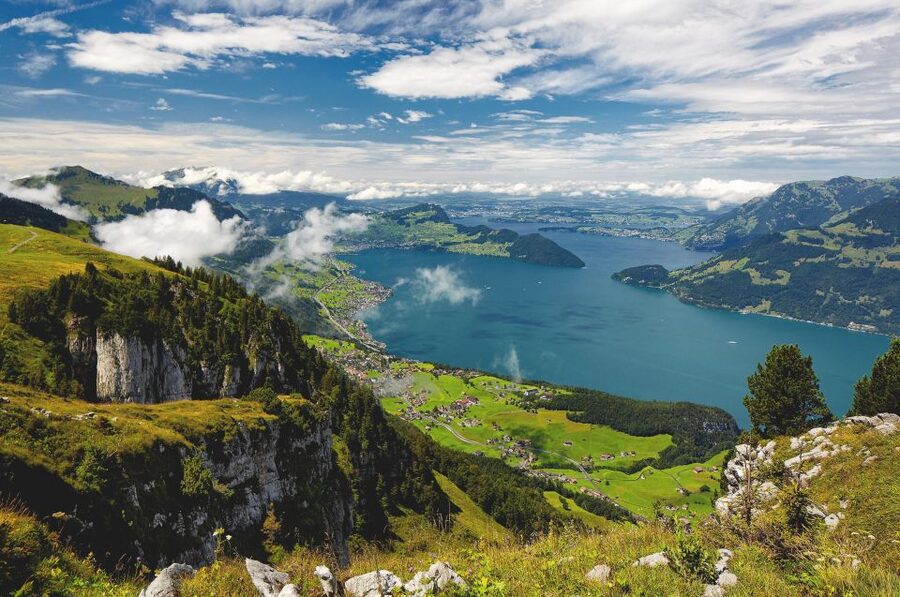
This is where you can make the card work for your comfort level. Since the card allows you to buy first-class or second-class tickets, you can choose based on the leg length, not based on what you might have done last year in another country.
Second class often makes sense for shorter segments. You get the same core benefit of Switzerland’s punctual service. You’re just sitting in a slightly different layout and at a different comfort tier.
First class tends to make more sense for longer rides or when you want a calmer, less crowded feel during peak times. Since you can use Half-Fare on both, I like the strategy of using second class for frequent switching and first class for a couple of key legs, especially if you’re doing a longer scenic connection.
The value play here is that you’re not locking yourself into one class decision from day one. You can adjust as you learn how your route works.
Close by, and a different sort of outing:
- From Zurich: Bus Day Trip to Heidiland and Liechtenstein
★ 4.5 · 2,531 reviews - Zurich: City Highlights Tour by Bus, Cable Car, and Ferry
★ 4.4 · 2,366 reviews - From Zurich: Stein am Rhein and Rhine Falls
★ 4.6 · 2,206 reviews - Mount Titlis and Lucerne Day Trip from Zurich
★ 4.5 · 1,960 reviews
Seat reservations: the one place you may still do extra planning
The card includes the Half-Fare Card itself, and it works on a huge chunk of Swiss public transport. But it does not include seat reservations on regional and scenic trains.
What that means for you is straightforward. For many journeys, you can still board normally, but if a specific train category requires a reservation for the best seating, you’ll need to handle that separately.
So here’s the practical mindset to adopt. Treat seat reservations as a “may need” item, not an automatic problem. If you’re traveling on a scenic train or a regional service where reservations are common, plan a quick step after you choose your train connection.
This is also why the Half-Fare Card feels best for flexible itineraries. If you’re the type who wants to watch for timing and choose the connection that fits your day, you’ll find it easier to manage reservation needs without stress.
Family travel: how the Swiss Family Card can keep costs down
If you’re traveling with kids, this is one of the most important parts of the package. Children aged 6 to 16 can ride free with the Swiss Family Card, as long as they are accompanied by at least one parent who holds a Swiss Half-Fare Card and also has a valid ticket.
That rule matters. It is not just “kids travel free anywhere.” It is a specific setup tied to the family card and the accompanying adult.
Practical tip: before you leave, double-check the kids’ eligibility and keep everything together. When you get on board, you want the proof process to be quick and boring.
This family benefit can make a huge difference if your plan includes multiple train changes and at least a couple of mountain segments. With kids, those segments multiply fast. Free rides for ages 6 through 16 can turn a trip from “we’ll see” into “yes, we can do that one big viewpoint day too.”
Proof and ticket handling: using your QR code without headaches
The card’s big strength is convenience, but it only works smoothly if you show the right proof at the right moment. The data you shared includes a helpful caution: the document you use during inspections should be the one with the QR code, the SBB logo, and your full name.
One clear piece of advice in the information: if you booked through a third party, the voucher might not be what you need at the station. Make sure you have the actual SBB Half-Fare Card document ready on your phone (and consider a screenshot as backup). For some people, having it set up so it is ready in the SBB app would be even easier, but the QR document approach works when you do it correctly.
I also like that the Half-Fare Card can be used with some third-party booking workflows. The data includes an example where half-fare booking options were used through services like Omio. That can reduce friction if you like planning online and then going straight to the station.
My “avoid stress” routine:
- Keep the Half-Fare Card proof accessible on your phone
- Have a backup screenshot in case of weak signal
- If you printed anything, check it is the correct document with the QR and identity details
A real value check: when $194 for 30 days makes sense
At $194 per person for a 30-day card, the key question is not whether Switzerland is expensive. It is. The key question is whether your itinerary has enough transport to make the half-fare benefit outweigh the card cost.
The data you shared includes a consistent theme: it can pay back after just a couple of trips, and it is worth it if you move around a lot. People also warned to check the number of rides you plan, since the card is only a bargain if you use it.
Here’s a simple value method you can do quickly:
- List the major legs you expect to take. Include any mountain railway or cable car days.
- Estimate whether you’re likely to buy multiple separate tickets within 30 days.
- If you’re doing city-to-mountain hops plus a few connections, you’re probably in the “worth it” zone.
- If your plan is mostly one base city and a few short rides, you might want to compare against buying individual tickets instead.
This is also why this card fits the style described in the information: it’s ideal for non-Swiss residents planning short train rides combined with excursions to the Swiss mountains. That combo usually gives you more high-cost segments, and the half-fare benefit scales with your mileage.
Where this Half-Fare Card fits best, and where it might not
This card is best when you want Switzerland to feel like a series of day trips, not one fixed-point stay. It shines if you will use trains frequently, take at least a few bus or boat connections, and include mountain viewpoint transport.
It might not be the best choice if you plan to stay mostly put and only make one or two long trips. In that case, buying full tickets for a couple of rides could be cheaper than paying for a card.
You should also consider your travel identity. The card can only be sold to non-residents of Switzerland or Liechtenstein. So if you’re eligible, great. If you’re not, you’ll need other options.
Finally, think about your preferences for planning. The card is easy to use, but because seat reservations can be extra on some services, you’ll want to be comfortable choosing trains and handling any reservation steps when required.
Booking timing and eligibility details you should not ignore
A few details from the provided info are worth taking seriously, because they affect whether your card purchase works smoothly.
- The Swiss Half-Fare Card can be sold only to non-residents of Switzerland or Liechtenstein.
- The earliest issue date is 180 days prior to the validity date you request. So don’t leave it to the last minute if your plans are fixed.
- You’ll need a passport or ID card.
There’s also a practical cancellation note. The experience includes free cancellation up to 24 hours in advance for a full refund. If your Swiss itinerary is still changing, this reduces risk.
Should you book the Swiss Half-Fare Card?
If your Switzerland plan includes frequent train use plus mountain railways or cable cars, I think this is an easy yes. The card is built to reduce the pain of Swiss transport pricing while keeping your route flexible. It also has a strong family value angle if you have kids between 6 and 16.
I would book it when:
- you expect multiple train, bus, and boat rides within 30 days
- you want at least one bigger mountain day
- you’re comfortable managing a quick reservation step if a train needs it
I would hesitate if:
- you plan to stay in one area most days
- you only have one or two transit purchases and everything else is on foot
- you’re not eligible as a non-resident
FAQ
How long is the Swiss Half-Fare Card valid?
The Swiss Half-Fare Card is valid for 30 days.
Where can I start using the card?
This activity does not have a fixed starting point. You can start your journey in any city or village of your choice.
Can I buy first-class or second-class tickets with the card?
Yes. You can purchase first-class or second-class tickets using the card for its validity period.
Do kids ride free with this card?
Children aged 6 to 16 can travel free with the complimentary Swiss Family Card, as long as they are accompanied by at least one parent who holds a Swiss Half-Fare Card and has a valid ticket.
What do I need to bring?
Bring your passport or ID card.
Are seat reservations included?
No. Seat reservations on regional and scenic trains are not included.
Newly reviewed around Zurich
- Zurich/Bern/Interlaken/Lucern: Jungfrau & Lauterbrunnen Trip★ 5.0 · 7 reviews
- Zurich: Virtual Reality Arena★ 3.8 · 6 reviews
- Zurich’s best-kept secret: the hidden world of mushrooms!★ 5.0 · 7 reviews
- Zurich: Stein am Rhein, Rhine Falls & Lake Boat Cruise★ 3.2 · 15 reviews
- Zurich to Rhine Falls: Unforgettable Private Day Trip★ 4.8 · 3 reviews
- Zurich: Professional Photoshoot at the Best Spots★ 5.0 · 31 reviews
- Zurich Pub Crawl – Dionysos Zurich Pub Crawl★ 5.0 · 3 reviews
- Zurich: Private tour to Interlaken, Grindelwald & Jungfrau★ 5.0 · 3 reviews
Zurich Tours, compared.

Grindelwald, Interlaken & Lauterbrunnen Day Trip
Read our review →
City Tour, Cruise, and Lindt Home of Chocolate Visit
Read our review →
City Highlights Tour by Bus, Cable Car, and Ferry
Read our review →
Mount Titlis and Lucerne Day Trip from Zurich
Read our review →