
Reviewed · SWITZERLAND
Switzerland: Private nature safari with a local guide. Check out the Alps, lakes, and more
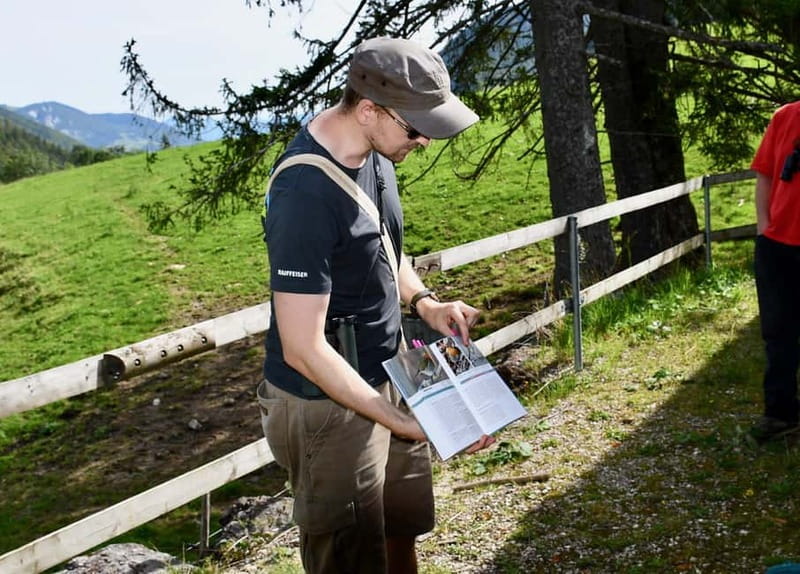
Private nature safari is a great way to spot Switzerland’s living details. You get to move through alpine meadows, forests, and lakes with ranger and ornithologist Michel Hänggi, and you learn what you’re actually looking at, not just where to stand for a photo. The tour is built for private flexibility, so you can steer the day toward wildlife watching, botany, or birdlife.
I especially like the hands-on approach, with top-notch binoculars and telescopes available so you can see more than you would on your own. And the focus stays on ecosystems and connections between habitats, which turns a walk into a real nature lesson you can use anywhere in Switzerland.
One consideration: this is an on-foot experience, and the terrain can vary a lot by region and season. Bring proper closed-toe shoes and expect you may walk farther than you think, because it is tailored to conditions and participant wishes.
In This Review
- What makes Michel Hänggi’s nature safari feel personal
- Key highlights you should care about
- Choosing the right habitat: Alps, lakes, Jura, or Swiss Plateau
- Alpine region (Alps, foothills, and high-meadow wildlife)
- Alpine foothills and lake landscapes (Lake Zurich, Constance, Lake Lucerne)
- Jura with forests and limestone rocks
- Wetlands, meadows, and bird migration areas in the Swiss Plateau
- How the 3 to 6 hours usually plays out on the ground
- Meeting and getting oriented
- Binocular and telescope time, used the right way
- Stops that focus on ecosystems, not only views
- A comfortable pace that still lets you see a lot
- Wildlife and birds: what you might actually spot
- Plants and small clues that turn into big insights
- What it feels like with a private guide, Michel Hänggi
- Practical value: is the $129 per person price fair?
- What to bring so the day stays enjoyable
- Rules of the walk: how to keep wildlife and plants safe
- Who should book this Swiss nature safari
- Should you book Michel Hänggi’s private nature safari?
- FAQ
- How long is the private nature safari?
- Is the tour private?
- Who is the guide?
- What languages are offered?
- What should I bring?
- What areas might the tour cover?
What makes Michel Hänggi’s nature safari feel personal
This is not a bus-tour stare-and-go setup. It’s a private “nature safari” style outing, usually 3 to 6 hours, shaped around where wildlife and plants are most active that day. That flexibility matters in Switzerland, where the weather, snowmelt, and flowering cycles can change what you see from one valley to the next.
The big name here is Michel Hänggi, a field ornithologist, nature expert, and ranger with more than 20 years of experience. That combination shows up in how he talks. You’re not only identifying animals or birds, you’re learning why they’re there, what habitat features they depend on, and how different ecosystems overlap in a small country.
I also like how the tour is designed for different skill levels. Beginners get the basics without it feeling watered down. If you’re a nature photographer or someone who wants to observe carefully, there is time to slow down, check details through binoculars, and understand what’s happening.
Key highlights you should care about
- Private tour with flexible destinations, chosen to match your interests and season
- Michel Hänggi’s 20+ years of field experience, especially strong for birds and ecosystems
- Pure nature focus on wildlife, plants, and birds off the beaten path
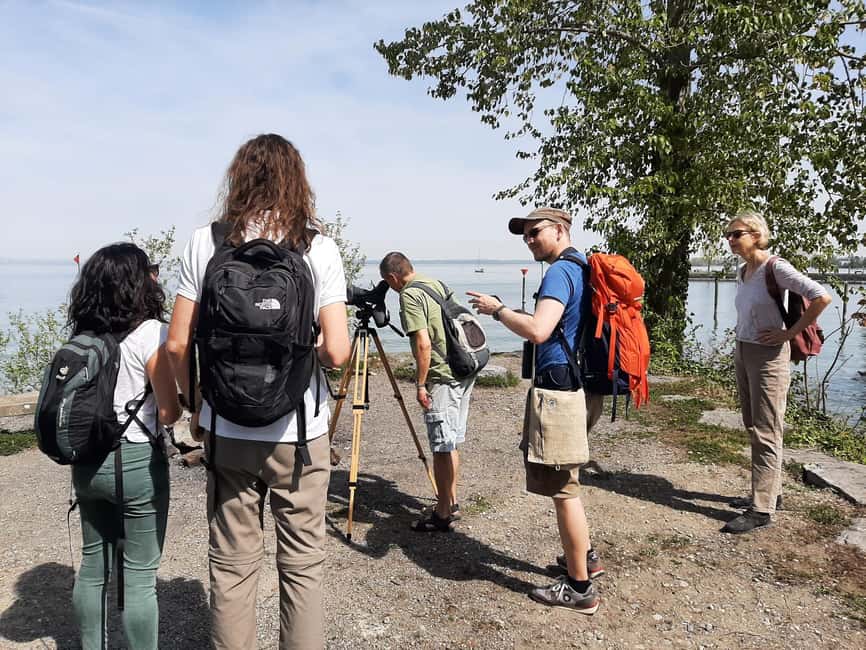
- Binoculars and telescopes provided, so you can actually see what you’re aiming for
- Suitable for beginners through photographers, because pacing and attention are adjustable
Other Switzerland days people put on the shortlist:
- Lindt Home of Chocolate Museum Entry Ticket
★ 4.7 · 9,329 reviews - Zurich: Grindelwald, Interlaken & Lauterbrunnen Day Trip
★ 4.6 · 7,123 reviews - Zurich: City Tour, Cruise, and Lindt Home of Chocolate Visit
★ 4.5 · 4,624 reviews
Choosing the right habitat: Alps, lakes, Jura, or Swiss Plateau
The tour has an important trick: you’re not stuck in one type of scenery. The route can be selected from several region types, depending on what you want to emphasize and what works in the season. That lets you experience Switzerland’s ecological variety in a short window.
Here are the habitat areas that can show up during your safari, and what each one usually gives you.
Alpine region (Alps, foothills, and high-meadow wildlife)
If you’re drawn to rugged peaks and short bursts of color, the alpine option is usually where the action feels most dramatic. In Switzerland, alpine zones often mean a mix of open meadows, steep slopes, and areas where snowmelt and altitude shape the timing of flowering and animal movement.
What you can look forward to is the combination of alpine plants and wildlife activity, especially in spring and summer when the meadows are blooming and birds are active. You may also spot less common species that prefer these higher and more specific conditions.
A practical downside: alpine terrain can be uneven, and weather can shift quickly. This is where your closed-toe shoes and weather-appropriate clothing really matter.
Alpine foothills and lake landscapes (Lake Zurich, Constance, Lake Lucerne)
If you want the calm feel of water plus nature watching, the lake option is a great fit. Switzerland’s lake regions are famous for their scenic draw, but this tour focuses on what the shoreline and nearby habitats support, not only views.
In these areas, you often get a mix of birds, plants, and animal behavior tied to water edges and surrounding vegetation. It can be especially appealing in different seasons, when bird presence and plant cycles change.
The tradeoff is that lake areas can also mean more walking on paths or through mixed terrain depending on the day’s chosen access points. If you prefer mostly flat, tell your guide early what feels comfortable.
A few more Switzerland days worth weighing up
- Lucerne: Private Walking Tour with a Local Guide
★ 4.6 · 450 reviews - Grindelwald, Lauterbrunnen Lungern Interlaken Semi-Private
★ 4.5 · 393 reviews - Private Ski Lessons – 3 hours Zermatt
★ 5.0 · 279 reviews - Zurich eTukTuk Private Tour – with Cheese Fondue and Wine
★ 5.0 · 223 reviews
Jura with forests and limestone rocks
The Jura is different from the Alps in feel and in how wildlife uses habitat. If you’re interested in a more forested, rocky character, this option can give you a different set of clues for spotting animals and understanding ecology.
Forests plus limestone terrain often leads to unique micro-habitats, which is exactly the kind of thing Michel can explain well. You’re not just walking through scenery. You’re learning what features matter for nesting, for foraging, and for survival.
Possible drawback: in forested areas, visibility can be limited. That’s not necessarily a problem because binoculars and telescopes help, but your enjoyment may depend on your willingness to slow down and wait for activity.
Wetlands, meadows, and bird migration areas in the Swiss Plateau
If your priority is birds and seasonal changes, the Swiss Plateau option can be powerful. Wetlands and meadows often concentrate bird activity because food and shelter are close together.
This is also the kind of environment where seasonal timing matters a lot. In migration periods, you might get exciting bird sightings tied to breeding and moving patterns. In other months, you might still see animals using the same habitat features even if the species list changes.
On the practical side, wetlands and meadow areas can mean you’ll be in damp spots or uneven ground at times. Your daypack and outdoor clothing will earn their keep.
How the 3 to 6 hours usually plays out on the ground
You won’t be herded through a rigid checklist. The tour is structured as a guided walk that adapts to terrain, conditions, and your interests. That said, most safaris follow a similar rhythm: meet, settle in, then move through chosen habitat while stopping when there’s something worth seeing.
Meeting and getting oriented
Your meeting point is arranged in advance, and it does not have to be in Olten or Zurich. Expect a straightforward start, then a quick setup for how you’ll cover the area: what pace to use, what you want most, and what equipment you plan to lean on.
This is also when you can communicate what you’re hoping for. If you care more about birds, say so. If plants matter most, ask for a botany focus. Michel can balance the route around your preferences because the destination is flexible.
Binocular and telescope time, used the right way
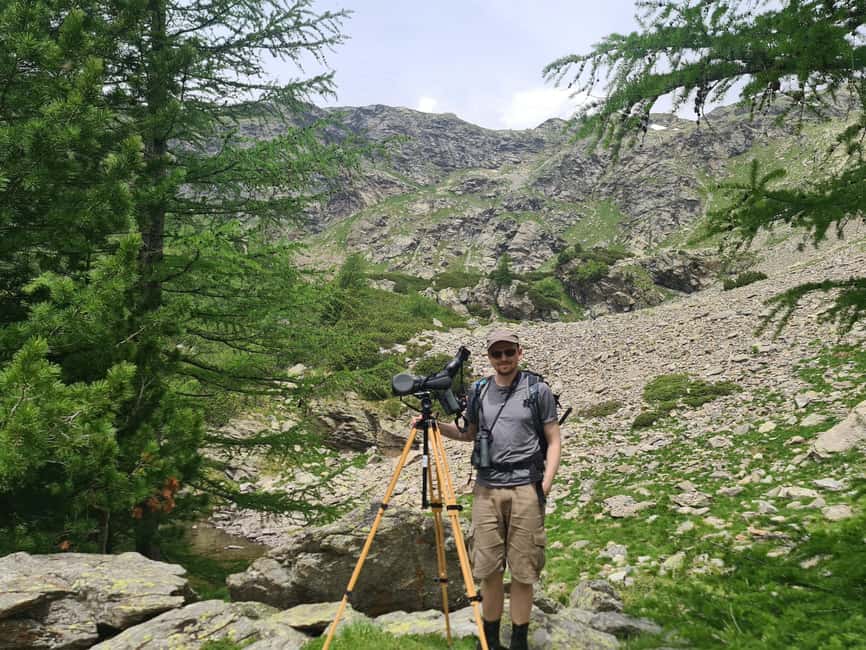
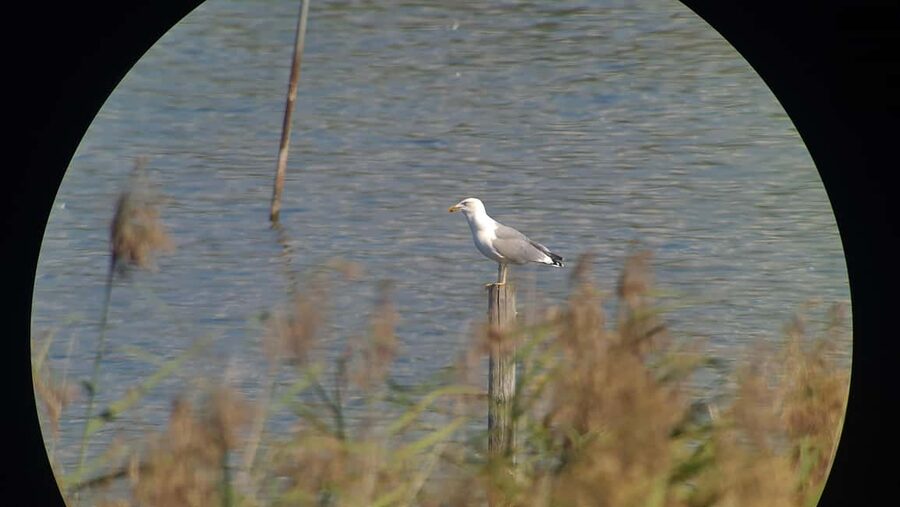
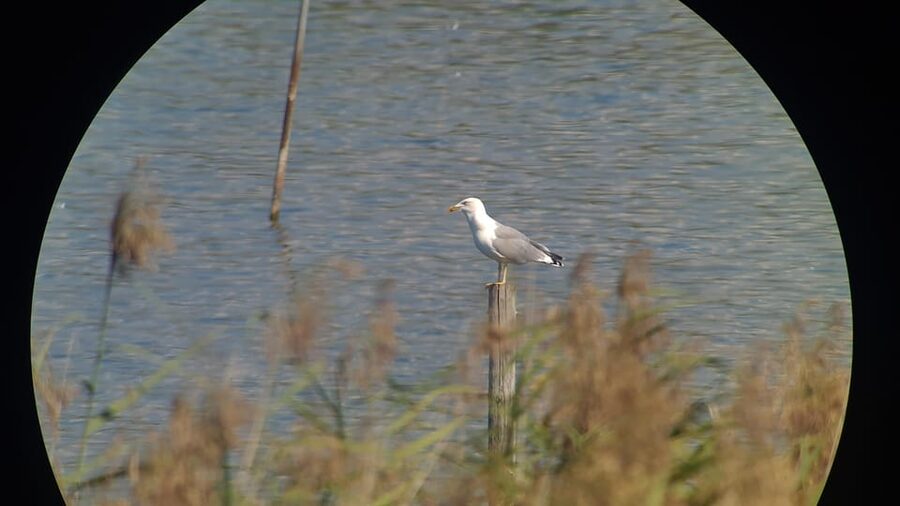
You get access to top-notch binoculars and telescopes, which changes how you experience wildlife watching. You’re not trying to spot a tiny moving target with your naked eyes for the whole tour.
The key is how you use the optics. Michel’s background as a field ornithologist means he tends to connect what you see to behavior and habitat needs. You might find that you spend more time watching how animals move, feed, or react than simply ticking off species names.
If you’re into photography, this slow observation can actually help. You’re not just snapping when you get lucky. You’re learning when and where animals are likely to show up.
Stops that focus on ecosystems, not only views
The tour highlights ecosystems. That means stops tend to happen where habitat features create “stories,” like a food source, a nesting opportunity, or a transition between one habitat type and another.
In other words, you get more than scenic looking. You get interpretation. Instead of treating a meadow, forest edge, or shoreline like a postcard, you treat it like a system with rules.
This is one of the most praised parts of the experience, and it shows in the short review notes people leave behind: an engaging guide, lots of information, and a tour that feels like it teaches while still feeling fun.
A comfortable pace that still lets you see a lot
Duration ranges from 3 hours (half-day up to 3) to up to 6 hours (full-day up to 6). Either way, it stays on foot and is tailored to the conditions and participant condition.
If you’re a beginner, tell Michel that you want more frequent pauses. If you’re more experienced, you can ask for longer observation windows or more ground coverage. The private nature makes that kind of adjustment possible.
Wildlife and birds: what you might actually spot
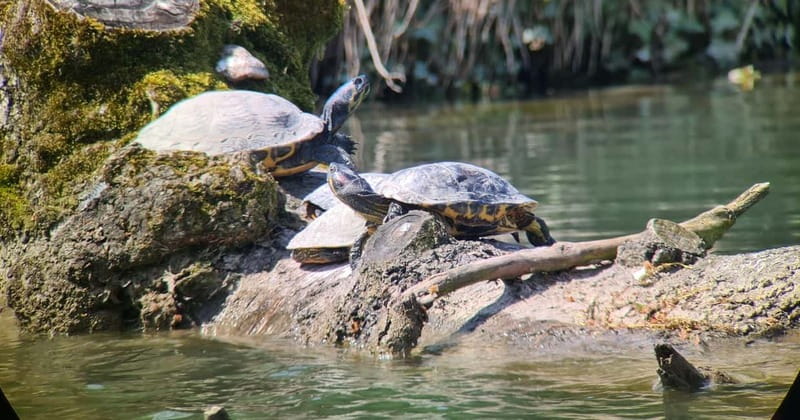
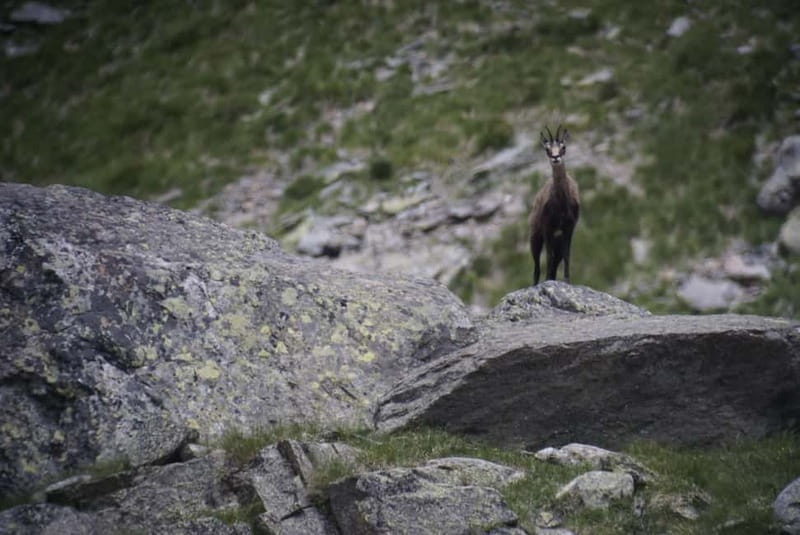
The tour’s description points to a real range of wildlife opportunities across regions and seasons. You might encounter species like golden eagles, chamois, squirrels, and roe deer, plus rare migratory and breeding birds depending on where you go and when.
Also, don’t expect the safari to be only about mammals. Birds can be the star, and the guide’s ornithology background makes bird watching feel structured instead of random.
Here’s the best part for your planning: the tour changes with the year. Spring and summer usually bring alpine flora and more active bird movement. Autumn brings golden forest tones and wildlife sightings as conditions shift. Even winter can produce rewarding moments, like tracking animal tracks in snow or watching waterfowl peacefully on lakes, if conditions cooperate.
Plants and small clues that turn into big insights
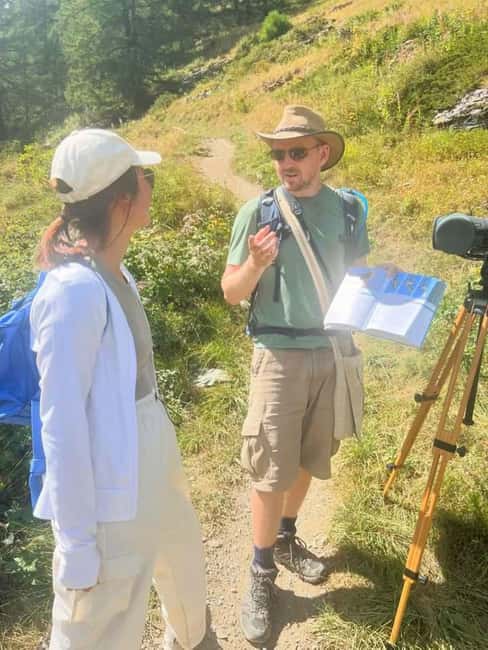
A “nature safari” can accidentally become a bird-only event. This one is different because it includes plants and how they tie into ecosystems.
That matters for you because plant identification and habitat understanding make wildlife watching more rewarding. When you know what grows where and why, you start predicting what animals might use that area. You also notice things you might otherwise skip, like flowering timing, dry meadow conditions, and how vegetation changes with altitude or moisture.
The tour can be especially rewarding for people who like nature details, not only big animals. If you’re the sort who pauses to look at leaves, seeds, and flowers, you will feel at home here.
What it feels like with a private guide, Michel Hänggi
Let’s be real: Switzerland has great scenery. But a guide changes what you remember.
Michel Hänggi stands out because he’s not just pointing out what exists. He connects it. One guest’s feedback in German summed up the vibe well, describing Michel as a very good guide and a 4-hour walk with many experiences and lots of information. Another short note from Rebekah in Australia called the tour extremely interesting and engaging.
Those aren’t random compliments. They match the core concept here: you’re paying for interpretation, not just movement. Private guiding means you can ask questions and get answers on the spot, especially when you’re staring at a bird that refuses to stay still.
Practical value: is the $129 per person price fair?
At $129 per person for 3 to 6 hours, this is not the cheapest way to do Switzerland. But it can be good value for the kind of time and expertise you’re getting.
Here’s why. You get a private guide, flexible destination planning, and access to binoculars and telescopes. You also avoid the guesswork of trying to find the right viewing spots on your own, especially for birds and less obvious habitats.
It’s also a good value if you care about doing one thing deeply rather than checking off multiple tourist stops. This safari is built to help you see a system, not just a single highlight.
One note to keep expectations grounded: travel costs, accommodation, and round trip are not included. Your best strategy is to plan to be already in the area or arrange local transport.
What to bring so the day stays enjoyable
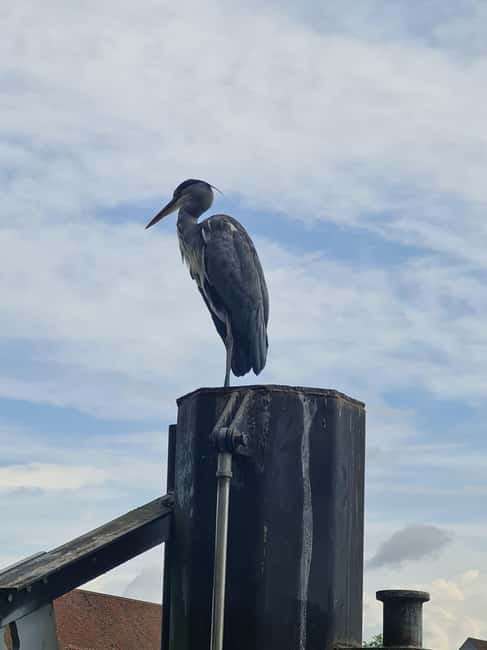
The tour asks for very simple things, but they matter.
Bring:
- snacks
- weather-appropriate clothing and outdoor clothing
- a daypack
- closed-toe shoes
That set covers the real-world issues: variable weather, on-foot walking, and needing a little energy mid-walk. If you’re doing a longer full-day version, snacks become more important.
Rules of the walk: how to keep wildlife and plants safe
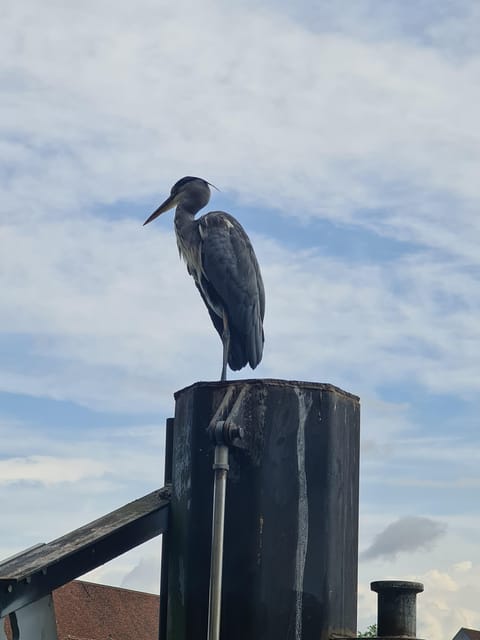
The experience has clear boundaries to protect animals and plants and to keep the tour consistent for everyone.
You cannot use drones. Pets are not allowed, though assistance dogs are allowed. You also should not feed animals, touch animals, or touch plants. Littering is prohibited, and the tour also lists restrictions around intoxication and certain group types.
The overall message is simple: observe with care. If you like wildlife, this is the right kind of behavior anyway. It makes the experience better for you and better for the ecosystem you came to see.
Who should book this Swiss nature safari
This is a great match if you want:
- wildlife and bird watching with explanation, not just spotting
- plant and ecosystem insights that improve how you look at the outdoors
- a private experience where you can shape the day around your interests
- help using binoculars and telescopes effectively
It may not be the best fit if you:
- want a fully seated experience, because it is on foot
- are planning to travel with kids under 6, since it is not suitable for children under 6
- rely on baby age travel, since it is not suitable for babies under 1
- need support for visual impairment needs, since it is not suitable for visually impaired people
Wheelchair accessible is listed, which is a good sign. Still, because terrain can vary by chosen region, it’s smart to ask what the route will involve once you know where you’re going.
Should you book Michel Hänggi’s private nature safari?
Yes, if your idea of a great Switzerland day is time outside with a guide who can explain what you’re seeing and help you slow down. The combination of private flexibility, a highly experienced ranger and field ornithologist, and the fact that binoculars and telescopes are available makes this feel like a “real nature” experience rather than a standard sightseeing stroll.
If you’re mainly chasing iconic postcard views and you dislike walking, you might find other tours better. But if you want birds, plants, and ecosystems with context, this is one of the more rewarding ways to spend 3 to 6 hours in central Switzerland.
FAQ
How long is the private nature safari?
It lasts 3 to 6 hours. There are half-day options up to 3 hours and full-day options up to 6 hours.
Is the tour private?
Yes. It is a private group experience.
Who is the guide?
The tour is led by Michel Hänggi, a field ornithologist, nature expert, and ranger with over 20 years of experience.
What languages are offered?
The live guide is available in German and English.
What should I bring?
Bring snacks, weather-appropriate outdoor clothing, a daypack, and closed-toe shoes.
What areas might the tour cover?
Possible regions include alpine areas (such as Bernese Oberland, Valais, and central Switzerland), alpine foothills and lake landscapes (like Lake Zurich, Lake Constance, and Lake Lucerne), the Jura with forests and limestone rocks, and wetlands, meadows, and bird migration areas in the Swiss Plateau.
Newly reviewed around Switzerland
- Zurich/Bern/Interlaken/Lucern: Jungfrau & Lauterbrunnen Trip★ 5.0 · 7 reviews
- Zurich: Virtual Reality Arena★ 3.8 · 6 reviews
- Zurich’s best-kept secret: the hidden world of mushrooms!★ 5.0 · 7 reviews
- Zurich: Stein am Rhein, Rhine Falls & Lake Boat Cruise★ 3.2 · 15 reviews
- Zurich to Rhine Falls: Unforgettable Private Day Trip★ 4.8 · 3 reviews
- Zurich: Private tour to Interlaken, Grindelwald & Jungfrau★ 5.0 · 3 reviews
- Zurich: Professional Photoshoot at the Best Spots★ 5.0 · 31 reviews
- Zurich Pub Crawl – Dionysos Zurich Pub Crawl★ 5.0 · 3 reviews