
Reviewed · WALKING TOURS
St. Moritz: Private Guided Town Highlights Walking Tour
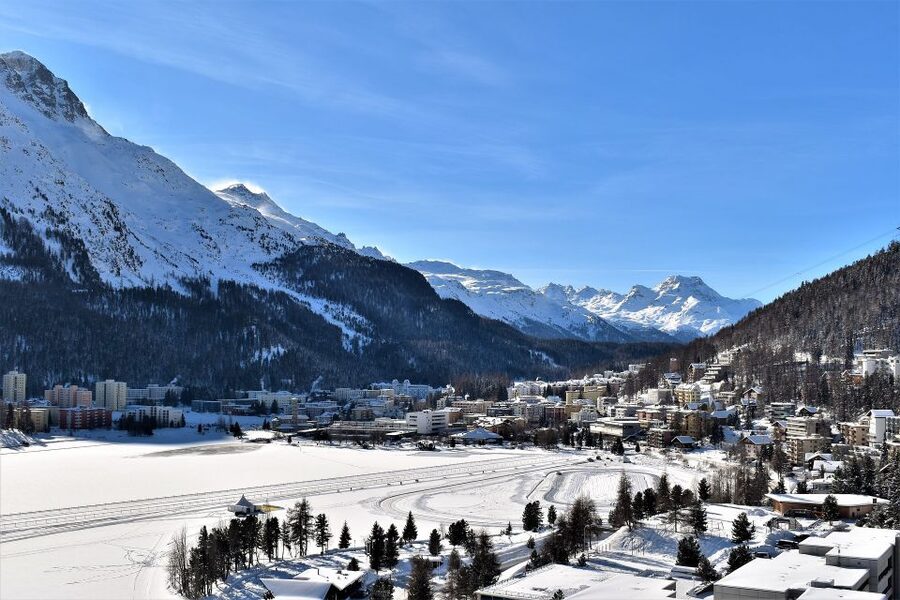
St. Moritz is small, but it packs stories. This private walk mixes Swiss-alps views with real town landmarks, from the Municipal hall built for the 1948 Winter Olympics era to the famous Leaning Tower, a remnant of the old Church of St. Mauritius. I especially love how the tour threads luxury-resort life with specific history, like the Jules Bylandt memorial tied to the Cresta Run. One thing to consider, though: transportation is not included, so you’ll need to handle getting yourself to the meeting point in St. Moritz Dorf.
I also like the format: you’re not stuck to a rigid script. You can shape your pace, and the guide attention is the kind that makes you ask one more question, like Sebastian did, when someone had research to work through. Expect a two-hour loop that takes you through St. Moritz Dorf, ending back where you started, with an official guide in English, German, French, or Italian.
In This Review
- Key things you will like on this St. Moritz highlights walk
- Why this 2-hour private walk makes sense in St. Moritz
- Getting oriented at the start, St. Moritz Tourist Information Dorf
- The Municipal hall, and why 1948 still echoes here
- The Leaning Tower: a 12th-century church remnant you can actually see
- Memorial Fountain to Bylandt: the Cresta Run connection that adds edge
- St. Mauritius Fountain, 1910, and the 300 AD legend
- St. Moritz Church in Dorf: neo-gothic Protestant style, 1785 to 1787
- The Mili Weber House near Lake St. Moritz: art with a personal anchor
- Private means more than just fewer people
- Price and value: $505 per group up to 20 for a guided highlight loop
- Practical tips to get the most from the walk
- Should you book this St. Moritz town highlights private tour?
- FAQ
- What is the duration of the St. Moritz private town highlights walking tour?
- How much does the tour cost?
- Where does the tour start and end?
- Is the tour private?
- Is transportation included?
- What languages are available for the guide?
Key things you will like on this St. Moritz highlights walk
- Private, custom feel: you can create a custom itinerary within the core route
- Olympics context in the Municipal hall: a hotel-to-admin building connection from 1948
- The Leaning Tower’s church link: 12th-century remnant of the old Church of St. Mauritius
- Cresta Run memorial detail: Jules Bylandt, died in 1908 during the Cresta Run
- Roman-era storytelling at the St. Mauritius Fountain: a 300 AD legion leader memorial
- Art stops near Lake St. Moritz: the Mili Weber House and her art collection
Why this 2-hour private walk makes sense in St. Moritz
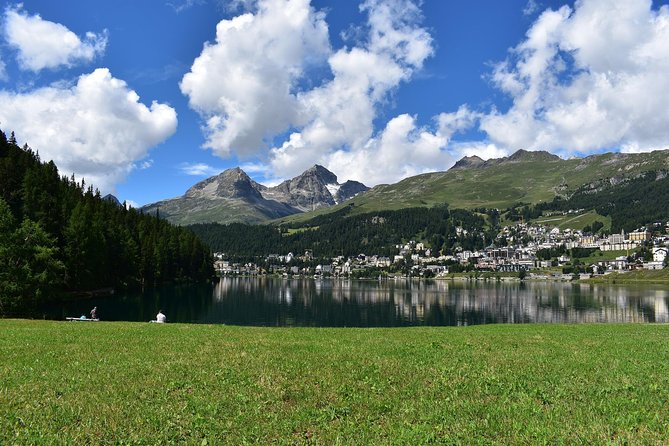
St. Moritz looks like a postcard from far away, but the fun is in learning how the place got its personality. This tour is timed for attention, not exhaustion. In two hours, you cover a focused slice of St. Moritz Dorf, where monuments, churches, fountains, and art all sit within an easy walking loop.
If you like history but hate museum fatigue, this fits. You’re not stuck in one building. You’re outside, looking at what people built and why, while also getting those big alpine views that make the town feel high-and-special, since St. Moritz sits at about 1800 meters above sea level.
A few more St Moritz days worth weighing up
- St. Moritz: Express Walk with a Local in 60 minutes
★ 4.8 · 9 reviews - St. Moritz: Private Guided Town Highlights Walking Tour
★ 4.0 · 4 reviews - Walking Tour through Basel Old Town
★ 4.7 · 1,040 reviews
Getting oriented at the start, St. Moritz Tourist Information Dorf
The tour begins in front of the St. Moritz Tourist Information Dorf. That matters because it’s a natural “walk starter,” where you can orient fast and keep the momentum without losing time.
From there, the route heads toward the heart of civic life, the Municipal hall of St. Moritz. The Municipal hall is on the same premises where a hotel once stood, and it was converted into the current Municipal hall before the Winter Olympics of 1948. That’s a great way to frame the town right away: St. Moritz isn’t just scenic, it’s operational, hosting major winter events and reinventing buildings for them.
If you’ve only seen St. Moritz as a ski resort from the outside, this opening gives you a better map of what’s underneath.
The Municipal hall, and why 1948 still echoes here
The Municipal hall stop isn’t just a photo point. It’s your first clue that St. Moritz has long been an “event town,” not just a pretty one. The timing tied to the 1948 Winter Olympics helps you understand why certain structures and spaces matter.
And it connects neatly to another big piece of context you’ll hear during the walk. St. Moritz hosted the 1928 and 1948 Winter Olympics, and that Olympic legacy helps explain why the town blends tradition with high-level infrastructure. Even if you don’t care about sports, you’ll feel how the town grew around winter prestige.
The Leaning Tower: a 12th-century church remnant you can actually see

Next comes one of the standout sights: the Leaning Tower, dating back to the 12th century. It’s a remnant of the old Church of St. Mauritius, which was destroyed in 1893. That single fact changes how you look at it. It’s not just odd and charming, it’s a surviving fragment with a backstory.
I like this stop because it’s visual proof that St. Moritz has layers. The town’s modern luxury identity sits on top of older structures and losses, and the Leaning Tower is a physical reminder of what survived and what didn’t.
Also, you’ll be in motion. You’re not reading a plaque for ten minutes. You’re walking, then pausing just long enough to understand why the building leans and what it replaced.
More things to do in St Moritz:
- Milan to St. Moritz: Scenic Bernina Train Tour with Guide
★ 4.4 · 1,840 reviews - From Milan: St. Moritz and Panoramic Bernina Express Tour
★ 4.0 · 215 reviews - From Saint Moritz: Bernina Red Train with Winery Tasting
★ 3.7 · 5 reviews - St Moritz Private Guided Panorama Hike
★ 5.0 · 3 reviews
Memorial Fountain to Bylandt: the Cresta Run connection that adds edge
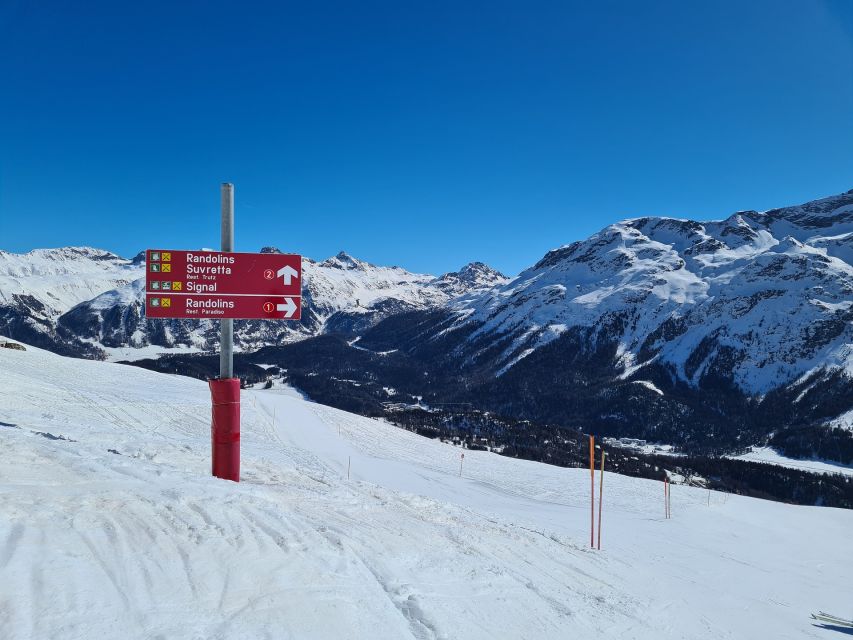
As you continue, you’ll walk by the Memorial Fountain dedicated to Jules Bylandt. It was built as a memorial to him, who died in 1908 during the Cresta Run.
Here’s why this detail is useful. St. Moritz isn’t just alpine skiing. The Cresta Run is part of its winter identity too, and this memorial ties that culture to a real person and a specific year. It gives you a sharper sense of what winter sport traditions meant locally, beyond the modern event calendar.
If you’re the type who likes stories with names and dates, this is a great moment. You leave with an extra St. Moritz “hook” you can recall later when you see how the town brands itself.
St. Mauritius Fountain, 1910, and the 300 AD legend
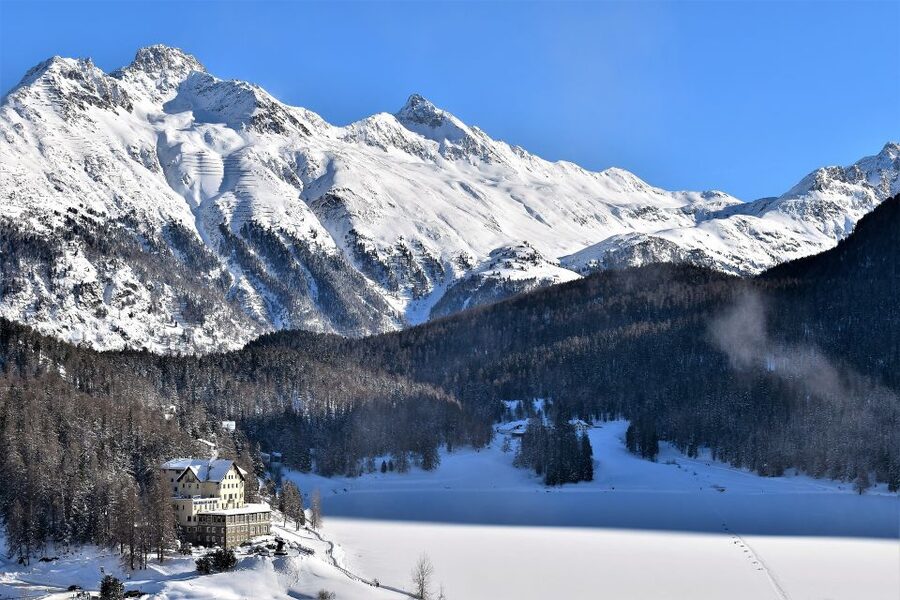
Then you’ll reach the St. Mauritius Fountain, located in front of the St. Moritz town hall. The fountain dates to 1910 and it memorializes a leader of a Roman Legion from 300 AD.
This is one of those stops that can sound like a random fact until you see how it fits the local pattern. Fountains here are not just decoration. They mark identity, and they link St. Moritz to a long timeline, from ancient legends to the more documented eras closer to the Olympics.
Even if Roman history isn’t your specialty, this kind of “layering” is what makes walking tours feel worth your time. You’re not collecting stops, you’re building a mental picture of the town’s continuity.
St. Moritz Church in Dorf: neo-gothic Protestant style, 1785 to 1787
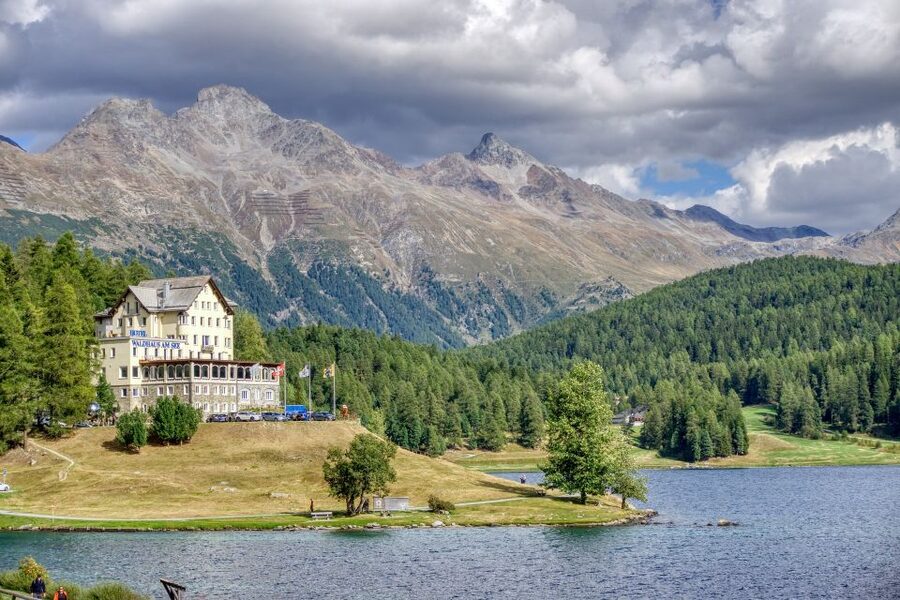
The route also includes the St. Moritz Church in the center of St. Moritz Dorf. It’s a Protestant church built in neo-gothic style between 1785 and 1787.
This stop works well because it shows a different “why” than the Olympic buildings or the memorial fountains. You’re seeing religious architecture from the late 18th century, and it helps balance the timeline. The tour becomes less of a straight line and more of a map of what different eras valued.
One practical note: since this is a walking tour and the church is in the Dorf center, it’s a good moment to slow down. Look at the neo-gothic details, then let your guide explain how the church sits in the town’s overall layout.
The Mili Weber House near Lake St. Moritz: art with a personal anchor
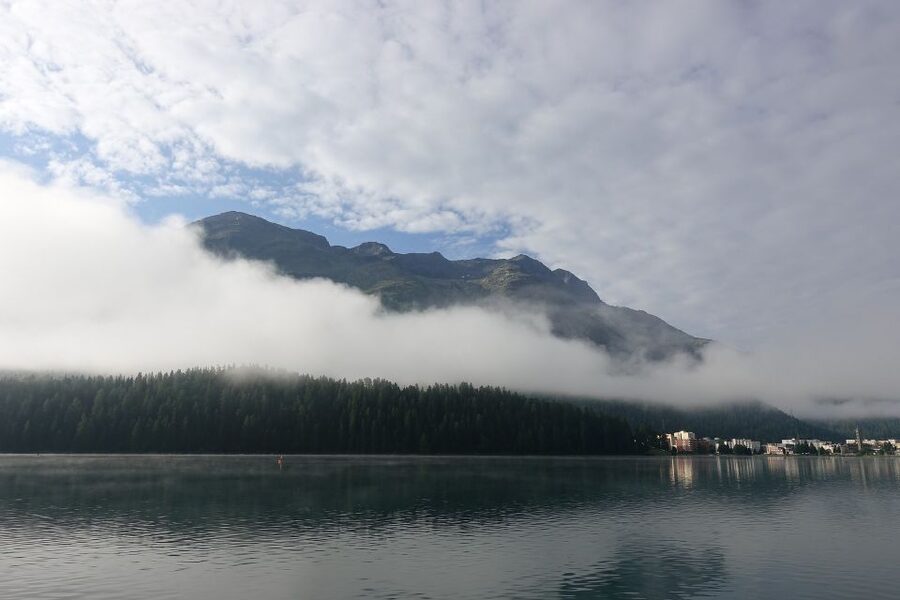
Later, you’ll visit an artists house on the eastern side of Lake St. Moritz. The Mili Weber House includes a collection of Mili Weber’s paintings and artworks. The house was built by her father and brother Emil.
This stop is where the tour shifts from architecture and memorials to creative life. It’s one thing to visit a town famous for winter sports. It’s another to see that the town also supported artists and collected their work.
I like that the house is connected to her directly, because it keeps the art personal. Instead of treating art as a standalone attraction, the tour frames it as part of St. Moritz life, right by the lake.
If you love small, specific art stories, this can be a satisfying end to a walking loop. You get a “human-sized” culture stop rather than a big, broad exhibition.
Private means more than just fewer people
This is a private group tour, priced for up to 20 people, with an official guide. Private sounds simple, but it changes your experience in real ways.
First, you can set your pace. Second, you can create your own custom itinerary within the highlight framework. That’s ideal if you’re traveling with a mix of interests, say, someone who wants church details, someone who cares more about winter sports legacy, and someone who just wants the best viewpoints and photo moments.
Also, the guide languages are English, German, French, and Italian, so you can match your group’s comfort level. And the review note about Sebastian going out of his way for research tells you what to expect in practice: when questions pop up, the guide tends to answer them thoughtfully rather than rushing you along.
Price and value: $505 per group up to 20 for a guided highlight loop
At $505 per group (up to 20 people) for a two-hour private highlights walk, the price works best when you split it across a small group or family unit. If you’re traveling solo, it may feel pricey compared to group tours. If you’re traveling with a few people who want a guided version of St. Moritz Dorf without hunting landmarks on your own, it can be a solid value.
What you’re paying for is not just walking guidance. You’re paying for someone who can connect each stop to a specific story: the 12th-century Leaning Tower remnant, the 1893 church destruction, the Jules Bylandt memorial tied to 1908 Cresta Run, and the St. Mauritius Fountain’s Roman Legion reference.
That kind of interpretation is hard to replicate with a phone app while you’re trying to enjoy the place. With a guide, you get the “why” while you keep moving.
One more practical value point: pickup is included only if you’re centrally located, and transportation is not included. That means the tour is designed to slot neatly into your existing plans, not replace them. If you’re already staying near the Dorf area, it tends to be smooth.
Practical tips to get the most from the walk
Here are a few things that will make the two hours feel easier and more rewarding.
- Wear comfortable shoes. You’re outside walking through multiple landmark stops, including the lake-side area.
- Dress in layers. At 1800 meters above sea level, weather can feel different than you’d expect lower down.
- Bring a short list of interests. If your group cares more about Olympics details, churches, fountains, or the Mili Weber House, tell the guide early so they can prioritize your custom itinerary.
- Use the stop time for photos and questions. This is the kind of tour where one extra question can change what you notice in the next stop.
Should you book this St. Moritz town highlights private tour?
Book it if you want an easy way to learn St. Moritz Dorf with a real person talking through the stories behind what you see. It’s especially worth it if your group includes different interests and you’d like the flexibility of a custom itinerary, not a rigid checklist.
Skip it, or at least think twice, if you’re only looking for a quick self-guided stroll and you don’t care about the historical links behind landmarks. Also be realistic about logistics: transportation is not included, and the tour starts and ends at the St. Moritz Tourist Information Dorf.
If you want to connect St. Moritz’s alpine luxury image to the specific people, buildings, and eras that shaped it, this two-hour private walk is a very practical way to do that.
FAQ
What is the duration of the St. Moritz private town highlights walking tour?
The tour lasts 2 hours.
How much does the tour cost?
It costs $505 per group for up to 20 people.
Where does the tour start and end?
It starts in front of the St. Moritz Tourist Information Dorf, and it ends back at the meeting point.
Is the tour private?
Yes. It is a private group tour.
Is transportation included?
No. Transportation is not included.
What languages are available for the guide?
The live guide is available in English, German, French, and Italian.
Newly reviewed around St Moritz
- St. Moritz: Private Guided Town Highlights Walking Tour★ 4.0 · 4 reviews
- St Moritz Private Guided Panorama Hike★ 5.0 · 3 reviews
- Private Transfer from Sankt-Moritz to Zurich Airport★ 4.0 · 3 reviews
- From Saint Moritz: Bernina Red Train with Winery Tasting★ 3.7 · 5 reviews
- St. Moritz: Express Walk with a Local in 60 minutes★ 4.8 · 9 reviews
- From Milan: St. Moritz and Panoramic Bernina Express Tour★ 4.0 · 215 reviews
- Milan to St. Moritz: Scenic Bernina Train Tour with Guide★ 4.4 · 1,840 reviews
Walking Tours, compared.
Zurich Walking Tour With Cruise and Aerial Cable Car
Read our review →
Lucerne Walking & Boat Tour: The Best Swiss Experience
Read our review →
3 in 1: Zurich Walking Tour – Cruise on the Lake – Cable Car Ride to Felsenegg
Read our review →Browse the lists this tour appears in