
Reviewed · SWITZERLAND
Sato Code Escape Room across Zug
Zug turns into a real-life puzzle board. I love the city-walk puzzle hunt that keeps you moving through the old streets, and I love the Sato Code app that gives each teammate their own piece of information. One catch: it is a tough challenge, and it needs at least two players with working internet on each phone.
If you like escape rooms, this one feels fresh because it is not locked indoors. You start near the train station area and work your way toward St. Oswald Church, passing recognizable spots like Museum Burg and scenic stretches near the lake.
The main consideration is mental stamina. This is not a casual stroll with easy trivia, and you should be ready for puzzles that get harder as you go, with more success when the team stays organized and talks things through.
In This Review
- Key things to know before you play
- A Zug escape room that actually takes you outside
- How the Sato Code app turns teamwork into a puzzle system
- The route in Zug, from Metalli to St. Oswald Church
- Puzzles you solve with your eyes, your brain, and your team
- Pair it with a Zug afternoon, not a rushed schedule
- Price and value: why $17.48 can feel like a bargain
- Who should play Sato Code in Zug
- Booking, timing, and practical setup without the stress
- Should you book Sato Code Escape Room across Zug?
Key things to know before you play
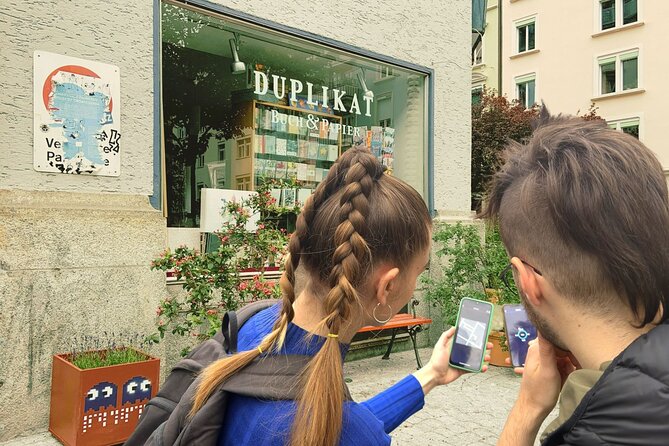
- Street-and-shop clues across Zug: you solve by walking, spotting details, and using what you find.
- Two phones minimum, with the Sato Code app: each player gets different information, so teamwork matters.
- A route built around real landmarks: you end up in the old center toward St. Oswald Church instead of wandering randomly.
- Difficulty is real: plan for active thinking, not kid-level riddles.
- Bring charged phones and internet: you will need both to keep the game flowing.
- Comfortable shoes help: you are covering a city route, so skip anything that slows you down.
A Zug escape room that actually takes you outside
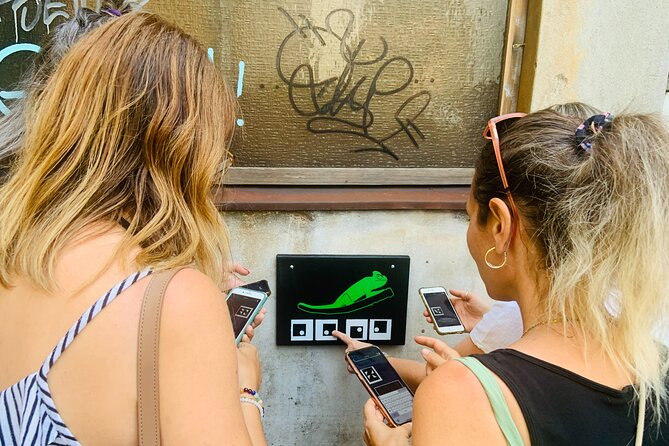
This is an escape game through the heart of Zug, and that design choice changes the whole experience. Instead of one room, you get a moving puzzle across the old town, with clues placed in streets and in everyday businesses. That means the game feels like part sightseeing, part challenge, and part scavenger mission you control.
What I like most is how the puzzles make you look twice. You are not just reading signs or taking photos. You are hunting for symbols, interpreting messages, and connecting small finds into larger answers. That is why it does not feel like a standard walking tour. You can enjoy the city as you go, but the real focus stays on solving.
The other big win is the app setup. Each participant uses the Sato Code App, and each person receives different information. It turns a group into a real team, where one player might notice a clue that another player cannot see. You will end up discussing everything quickly, which is the best way to move through tough puzzles.
Other Switzerland days people put on the shortlist:
- Lindt Home of Chocolate Museum Entry Ticket
★ 4.7 · 9,329 reviews - Zurich: Grindelwald, Interlaken & Lauterbrunnen Day Trip
★ 4.6 · 7,123 reviews - Zurich: City Tour, Cruise, and Lindt Home of Chocolate Visit
★ 4.5 · 4,624 reviews
How the Sato Code app turns teamwork into a puzzle system
The game runs on the idea that two people will not experience it the same way. You need at least two players, and each person needs their own smartphone with the app. The instructions also stress internet access on every phone, so do not rely on one device being offline.
In practice, this matters because you are solving a chain. When you and your teammate compare what each app screen is telling you, the clues become more understandable. If everyone sees the same thing, it turns into a slow repeat. Here, the game nudges you into sharing, testing ideas, and combining partial information.
A smart prep move: before you start, confirm your phones are charged and the app is working. If your internet coverage is weak in the old center, use your hotspot plan early instead of discovering problems mid-game. The game is about momentum, and a phone glitch can feel like you lost a clue.
Also, keep your team roles simple. One person can focus on scanning the street environment for symbols. The other can focus on reading messages and trying codes. You can swap roles as needed, but having a quick plan helps when the puzzles get more difficult.
The route in Zug, from Metalli to St. Oswald Church
You meet at Metalli Zug, located at Industriestrasse 15b. The activity ends back at the meeting point, so you are not left wondering how to get home after a tense final minute.
From there, the game follows a route starting near the train station area and moving through the old city toward St. Oswald Church. Along the way, you pass Museum Burg (Castle) and you get time walking along the lake. That mix is useful because it breaks up puzzle intensity with visual landmarks and a calmer pace.
Here is how the route feels in real life:
- Near the start, you are in the station area and old-town approach. This is where you should expect your first puzzle to get your brain warmed up.
- As you move toward Museum Burg, the city landmarks help you stay oriented. Even if you forget the exact directions, the big recognizable sights keep you from wandering.
- When you head toward the lake stretch, it can feel like the game gives you a breather. You still have to find clue points, but the surroundings are more scenic and less traffic-heavy.
- The last stretch aims toward St. Oswald Church, where you can feel the storyline tightening. The puzzles become increasingly more difficult, so you want the team energized rather than distracted.
Because it is a city-wide hunt, you should assume you will walk at a steady pace for about one hour (approx.). Plan on arriving a few minutes early so you can get your phones ready before the first clue.
Puzzles you solve with your eyes, your brain, and your team
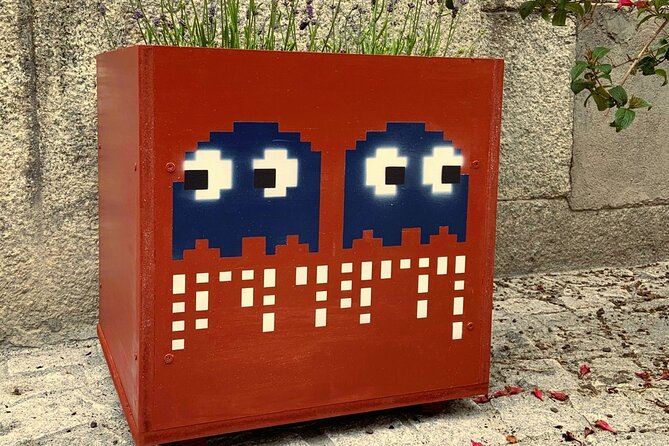
This game does not rely on one trick. It mixes styles, and that variety is a big reason it scores well for people who like escape rooms.
You can expect clues hidden in everyday places. The game description points to details like hidden symbols in a record store and a cryptic message in a pizzeria. You should not be surprised if the puzzle point feels subtle, like something you would normally walk right past.
The puzzles also escalate. Early challenges feel like setup, training your group to think in the game’s language. Later puzzles require you to connect earlier clues and interpret codes instead of treating each stop as a standalone problem. If your team tends to jump to one solution without testing, you will likely get stuck. If you stay methodical, you can make progress even when the difficulty ramps up.
What the best experiences have in common here is communication. The app provides info to different players, but you still need a single shared plan for what to try next. I like how it encourages that exact behavior. You are solving together, not just walking next to each other.
One more practical point: go in ready to be actively involved. This is recommended for ages 13+, with a note that it is best with active participation and is not for unaccompanied children under 16. The puzzles can challenge your attention and patience, so if anyone in your group expects an easy outing, set expectations early.
Close by, and a different sort of outing:
- Geneva: 50-Minute Lake Geneva Cruise
★ 4.3 · 4,063 reviews - From Zurich: Mount Titlis with Ice Flyer & Lucerne Day Tour
★ 4.7 · 3,899 reviews - Award-Winning Geneva Chocolate &Old Town Tour with Boat Ride (3h)
★ 5.0 · 3,721 reviews - Neuhausen am Rheinfall: Rhine Falls Boat Tour
★ 4.8 · 2,854 reviews
Pair it with a Zug afternoon, not a rushed schedule
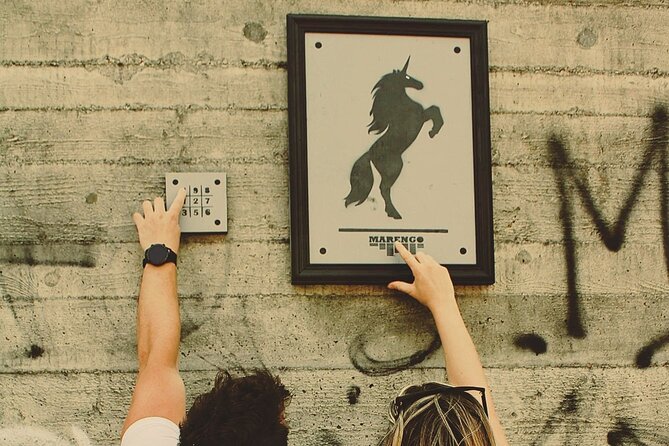
A lot of people plan their Zug day around trains, lake views, and the old center. This game fits that rhythm nicely because it turns a chunk of time into something interactive. If you do it mid-afternoon, you can still enjoy the landmarks before or after while your brain is buzzing.
Because the game is about 1 hour, you can slot it between other plans without feeling like you lost half your day. And since you are walking through central Zug, it naturally overlaps with the kind of sights you might already want to see.
A tip for the best flow: avoid booking it right after a long travel delay. You want enough focus to read messages and work codes. If you arrive tired or distracted, you may spend more time re-checking basics than solving the mystery.
Also, wear comfortable shoes. The game is not described as a strenuous hike, but it is city walking, and you will get more out of it when your feet are happy.
Price and value: why $17.48 can feel like a bargain
At about $17.48 per person, this is one of those activities that can feel inexpensive compared to the time it occupies and the engagement it provides. You are paying for an organized puzzle experience that also guides you through central Zug with a built-in route.
The “value” comes from a few specifics:
- You get a structured city route and clue system, not just a self-guided list.
- You get teamwork mechanics via the app, which usually means a more satisfying group experience.
- The game is designed for adults and teens who like puzzles, so it does not feel like you are paying for something you will finish quickly by accident.
The main value warning is the team requirement. If you show up with only one person, you cannot play. And if your internet connection fails, you might spend time fixing tech instead of solving. So the best value shows up when everyone brings a charged phone and both players can stay connected.
Who should play Sato Code in Zug
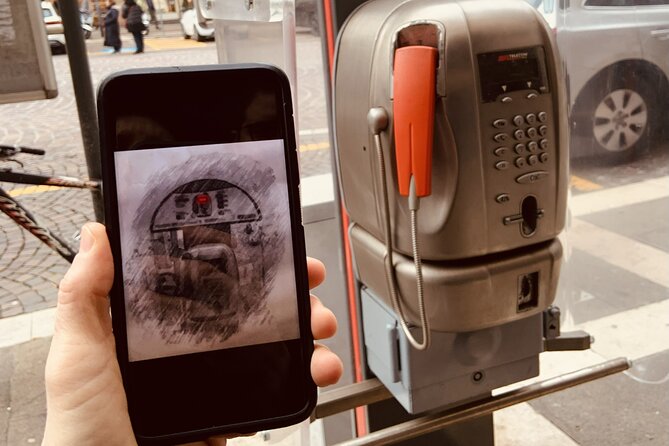
This is best for:
- Adults and teens who already enjoy escape rooms or puzzle hunts
- People who like problem solving and teamwork
- Visitors who want to see more than the usual photo spots by walking with a purpose
It can work for families too, but only when kids are up for the mental challenge and can handle puzzle difficulty. The guidance suggests adults or older teens, and unaccompanied kids under 16 are not recommended.
It is also a good fit if you want to learn Zug at street level. Even though this is not a history lecture, it nudges you through the old town and toward major landmarks in a way that feels like you are part of the city, not just passing through.
Booking, timing, and practical setup without the stress
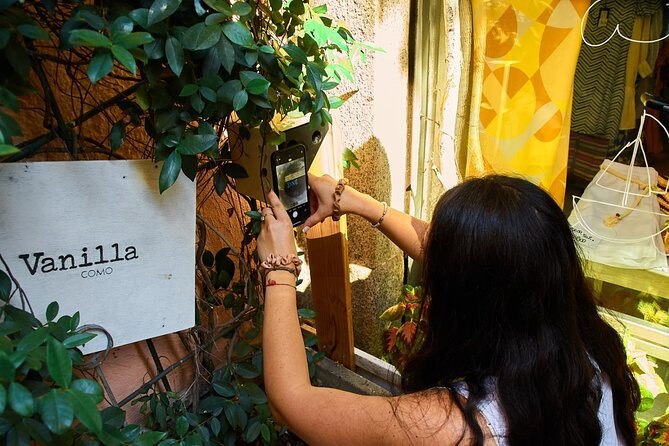
The opening hours are listed as daily from 8:00 AM to 11:30 PM, and the game takes about an hour. You can usually plan around a time that matches your energy level.
Because tickets are sent by SMS, you do not need to fuss with printouts. Still, do yourself a favor: keep your phone ready with power, and make sure you can access the messages.
Finally, treat this like a tech-and-team game. You will need:
- At least two participants
- One smartphone per participant
- Internet required on every phone
- Charged phones
- Comfortable shoes
If you just have one working internet connection, using a hotspot is explicitly suggested. That is a simple way to prevent a frustrating mid-game interruption.
Should you book Sato Code Escape Room across Zug?
Book it if you want a hands-on, brain-forward way to experience central Zug in about an hour. It is built for people who enjoy codes, clues, and team problem solving, and it gives you a route that lines up with major sights like Museum Burg and St. Oswald Church.
Skip it if your group wants a relaxed sightseeing day with low mental effort. The puzzles get harder, and the experience is not designed for passively tagging along. Also, if you are traveling as a solo person, plan to find a second player because the game depends on two phones.
If you do fit the puzzle-loving, team-ready profile, this is the kind of outing that turns a normal afternoon walk into a story you actually finish.
Newly reviewed around Switzerland
- Zurich/Bern/Interlaken/Lucern: Jungfrau & Lauterbrunnen Trip★ 5.0 · 7 reviews
- Zurich: Virtual Reality Arena★ 3.8 · 6 reviews
- Zurich’s best-kept secret: the hidden world of mushrooms!★ 5.0 · 7 reviews
- Zurich: Stein am Rhein, Rhine Falls & Lake Boat Cruise★ 3.2 · 15 reviews
- Zurich to Rhine Falls: Unforgettable Private Day Trip★ 4.8 · 3 reviews
- Zurich: Private tour to Interlaken, Grindelwald & Jungfrau★ 5.0 · 3 reviews
- Zurich: Professional Photoshoot at the Best Spots★ 5.0 · 31 reviews
- Zurich Pub Crawl – Dionysos Zurich Pub Crawl★ 5.0 · 3 reviews