
Reviewed · GENEVA TOURS
Prangins, Lake Geneva: Château de Prangins Entry Ticket
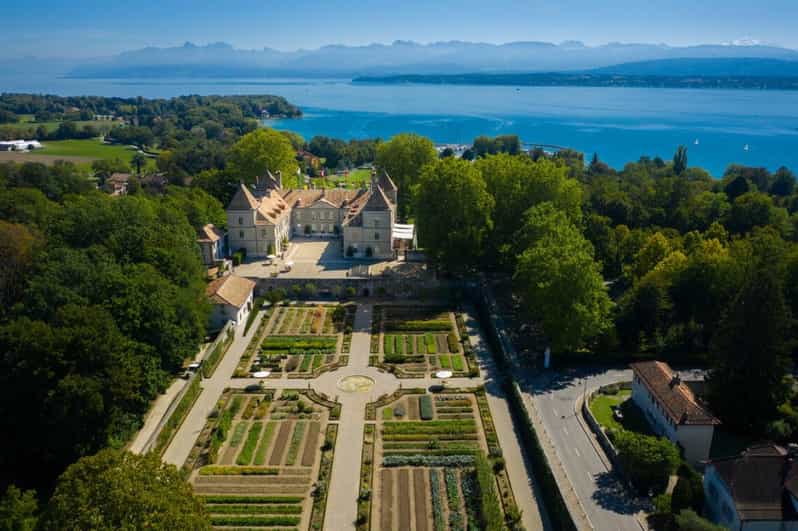
A castle museum with room to roam. Château de Prangins is Switzerland’s largest 18th-century castle open to the public, and it makes history feel physical, not dusty. I especially liked the reception rooms linked to Louis-François Guiguer, Baron of Prangins, and you’ll appreciate the scale of the estate, including the historical kitchen garden.
The main drawback to consider is that one staged or theatrical audio moment can be tough to follow, particularly if the sound seems off in the room.
In This Review
- Key moments worth centering your visit on
- Château de Prangins in Prangins, Vaud: why this castle is such a good stop
- The Swiss National Museum inside the château: what you’ll actually see
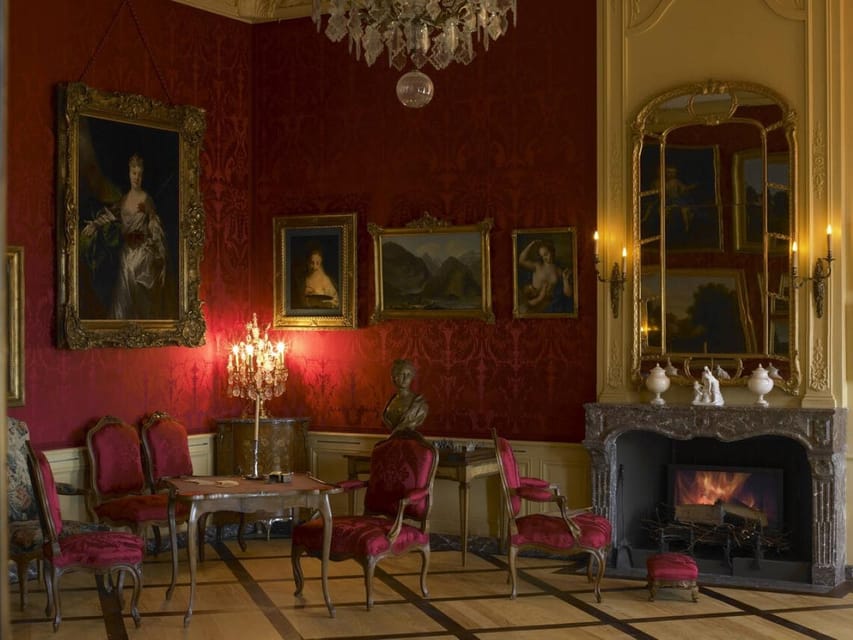
- The 18th-century rooms: Louis-François Guiguer and Noblesse Oblige
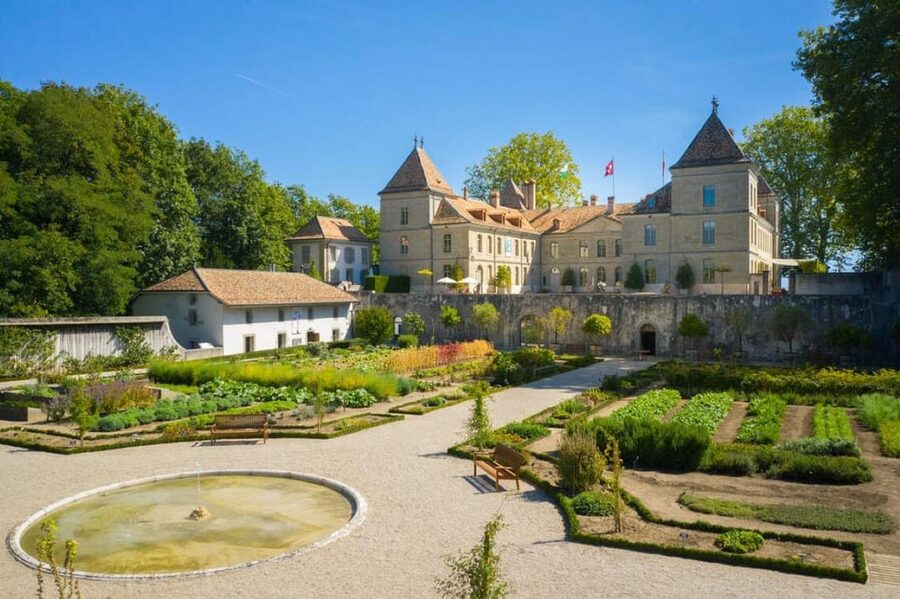
- The estate experience: 5 hectares, park, meadow-cum-orchard, and kitchen garden
- How to plan your day: timing, pacing, and what order makes sense
- Price and value: what $17 really means here
- Rules, etiquette, and accessibility notes you should know
- Who this experience suits best, and who should think twice
- Should you book Château de Prangins?
- FAQ
- How much is the Château de Prangins entry ticket?
- How long should I plan for this experience?
- Where do I go to enter the museum?
- What can I see at Château de Prangins?
- What’s special about the garden?
- Is the ticket valid for other museums?
- Are flash photos allowed?
- Can I touch plants in the garden?
- Is it wheelchair accessible?
- Are there cancellation options?
Key moments worth centering your visit on
- Swiss National Museum in Vaud: permanent and temporary exhibitions focused on Swiss history, identity, and culture
- Three floors plus cellars: more space than most castle museums, so you can take your time
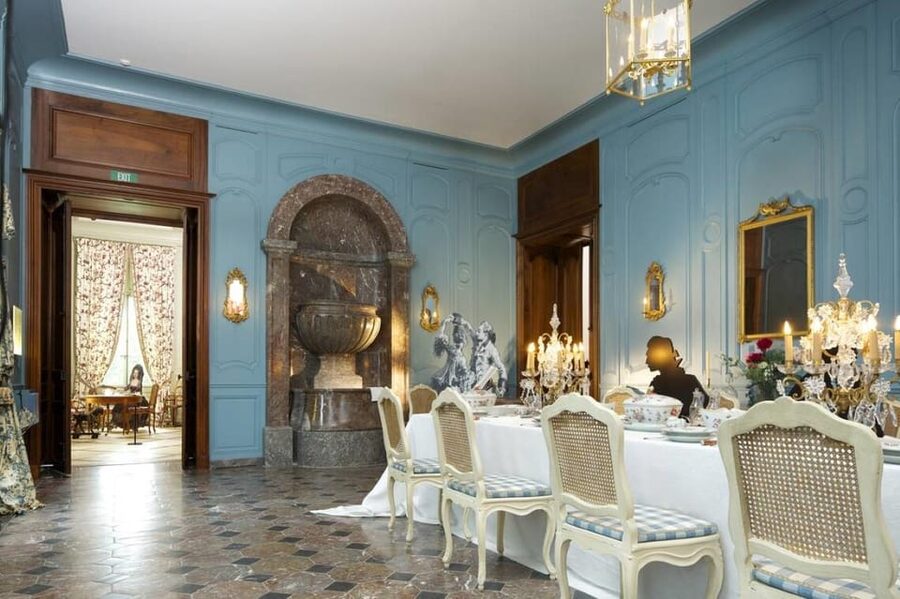
- Baron Louis-François Guiguer’s reception rooms: you get the lived-in feeling of an 18th-century household
- The Noblesse Oblige exhibition: a clear theme for 18th-century life at a château
- Switzerland’s largest historical kitchen garden: the garden is part of the story, not just scenery
Château de Prangins in Prangins, Vaud: why this castle is such a good stop
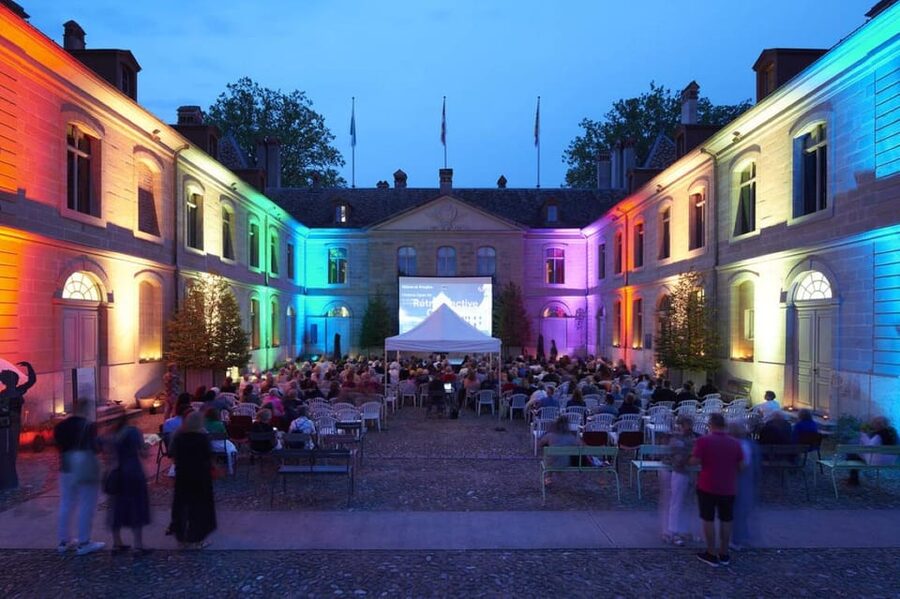
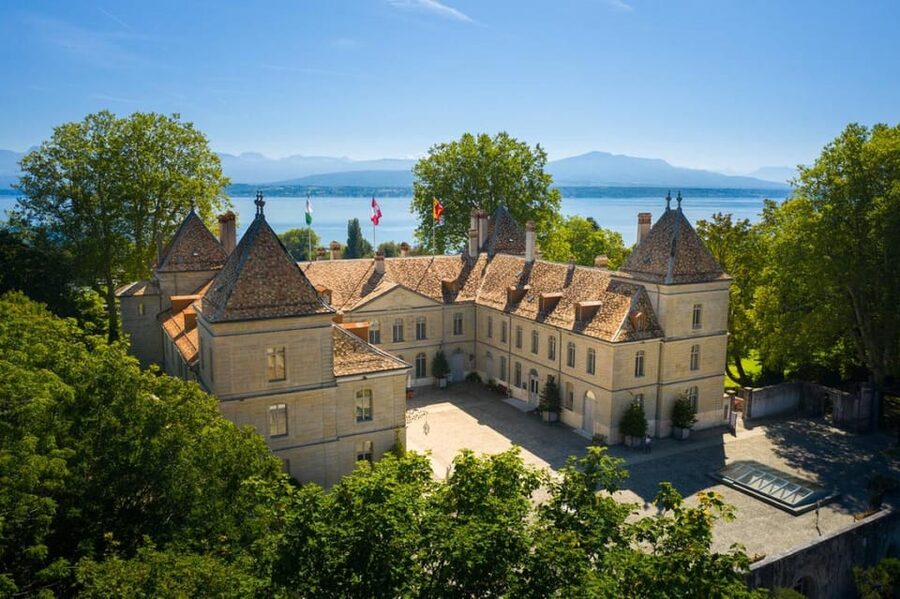
Château de Prangins is a standout because it is not a tiny, curated castle experience. It is large, and it is meant to be explored. This matters for you because you are not fighting through cramped rooms at a sprint, and you are not forced into doing everything in one frantic hour.
It also sits in French-speaking Switzerland between Lausanne and Geneva, which makes it an easy cultural add-on if you are already touring that corridor. In other words, this is not some isolated detour that eats your whole day.
A big part of the draw is what it houses. The château is the Swiss National Museum in French-speaking Switzerland, and it opened in 1998. That means you are not only looking at décor. You’re walking through a museum built inside a major monument of national importance.
More things to do in Geneva:
- Geneva: 50-Minute Lake Geneva Cruise
★ 4.3 · 4,063 reviews - Award-Winning Geneva Chocolate &Old Town Tour with Boat Ride (3h)
★ 5.0 · 3,721 reviews - Geneva: Scenic Lake Cruise with Snacks and Wine
★ 4.4 · 1,503 reviews
The Swiss National Museum inside the château: what you’ll actually see
Think of the château as your “building museum,” and the Swiss National Museum as the “story engine.” You can tour three floors plus the cellars, which is a practical gift. You can pace yourself: one floor for rooms and display halls, another for exhibitions that need a bit more reading, and then a cellar route if you want something slightly different.
You’ll have access to both the permanent and temporary exhibitions. The permanent side is centered on Swiss history, identity, and culture, so it works well whether you already know a lot about Switzerland or you are still learning how Swiss regions and traditions shaped the country. The temporary exhibitions add a change of focus, so the visit does not feel like repeating the same panel text again and again.
Here’s the part I find useful as a decision tool: if you only care about castles, you might feel tempted to treat this as a quick exterior-and-rooms stop. But because the exhibitions connect to history and identity, the museum component gives you a reason to slow down and actually read. If you like learning while walking, you’ll be comfortable spending more time here than you planned.
Also, in terms of atmosphere, castles can sometimes feel like the past is yelling at you from behind glass. At Prangins, the museum layout gives you space to move and compare different rooms and themes without getting boxed in.
The 18th-century rooms: Louis-François Guiguer and Noblesse Oblige
One of the best ways to understand a château is to see it where people entertained. That’s why the reception rooms of Louis-François Guiguer, Baron of Prangins, are a highlight. You are not just looking at furniture. You are stepping into spaces tied to how power, status, and social life were displayed in the 1700s.
Alongside the reception rooms, you can see the exhibition Noblesse Oblige! Life at a Château in the 18th Century. The title is a clue: it frames everyday expectations around rank and duty. For you, that theme is helpful because it turns scattered details into a story. Instead of wondering, why is this here, you can ask, what role did this play in 18th-century life?
One caution based on real visit feedback: there can be a theatrical or audio element, and the sound quality may not always be great. If you are sensitive to audio that is hard to hear, plan to rely more on the visual displays and written information than on the spoken parts.
If you enjoy period rooms, this stop is exactly your lane. If you prefer hands-on museums, this will still work, but you should expect a more traditional museum feel.
The estate experience: 5 hectares, park, meadow-cum-orchard, and kitchen garden
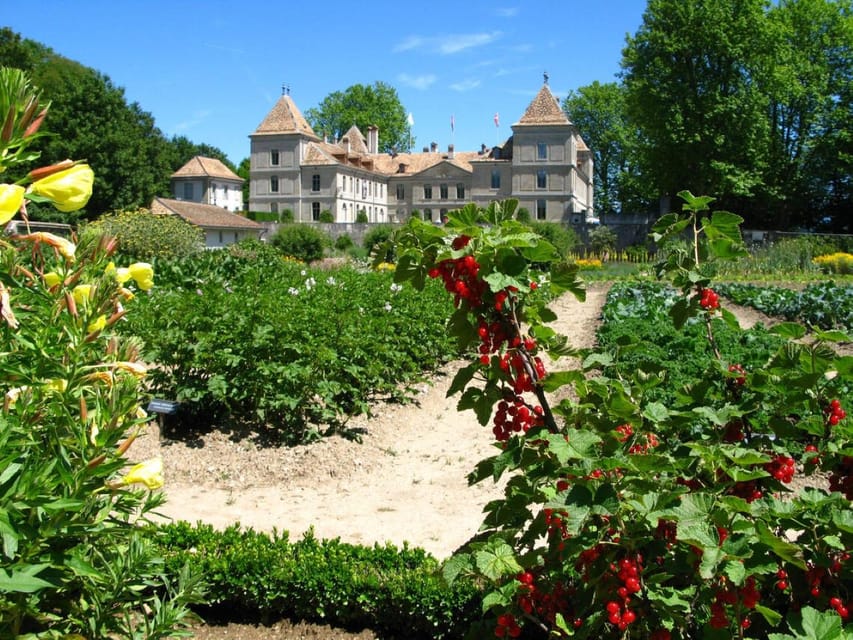
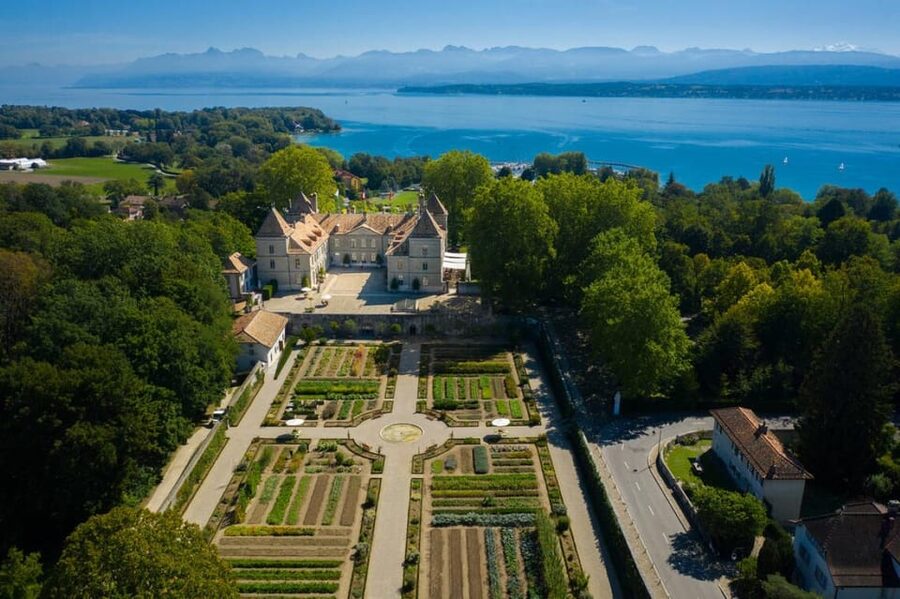
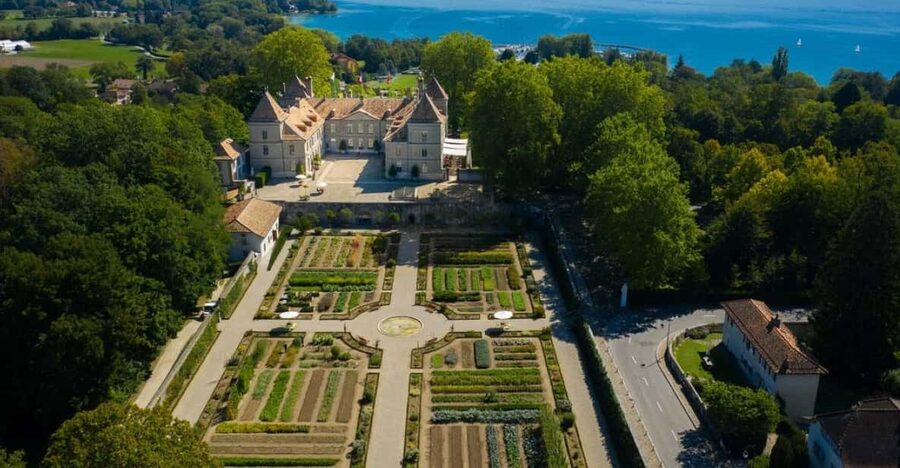
The château is not only indoors. The estate covers 5 hectares, and that changes the vibe from “museum sprint” to “slow wander.” After you’ve toured floors and cellars, stepping outside gives your brain a breather. It also helps you connect what you saw indoors with what a château relied on outdoors.
The grounds include a park and a meadow-cum-orchard. That matters because gardens and orchards were not just for leisure. They were part of how an estate produced food and managed daily life.
Then there’s the star feature: Switzerland’s largest historical kitchen garden. This is the place to spend your time if you like practical history. Kitchen gardens show you the logic of seasons, cultivation, and how households sustained themselves. It’s also a reminder that “history” is not only battles and politics. It’s also labor, planning, and eating.
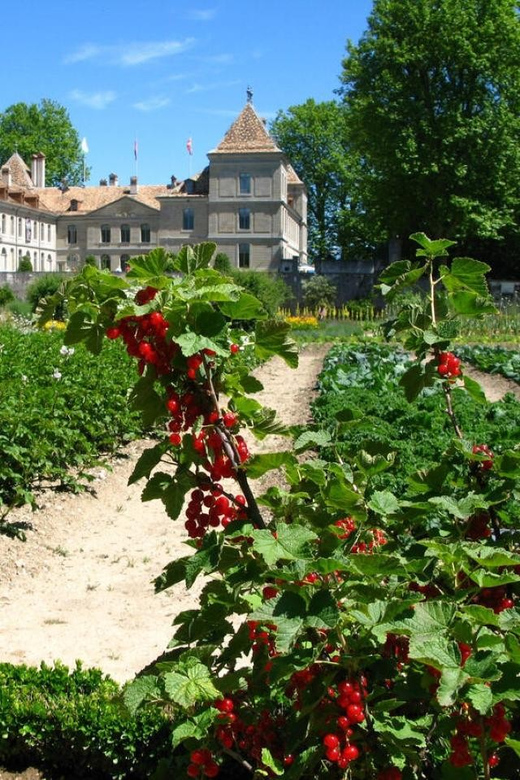
Two small rules can affect your enjoyment: flash photography is not allowed, and you cannot touch plants. If you like getting close-up photos, plan for normal lighting and steady shots from paths rather than posed hands-on moments.
A few more Geneva days worth weighing up
- Lindt Home of Chocolate Museum Entry Ticket
★ 4.7 · 9,329 reviews - Interlaken: Funicular Ticket to Harder Kulm
★ 4.7 · 1,469 reviews - Zurich: FIFA Museum Entry Ticket
★ 4.7 · 1,461 reviews - Zurich Sights: Cruise, Lindt Chocolate and optional FIFA Ticket
★ 4.0 · 1,028 reviews
How to plan your day: timing, pacing, and what order makes sense
This is a 1-day experience, and that time box is both simple and realistic. At a place this size, your biggest decision is how you pace: do you want exhibitions first, then rooms, then outdoors, or the reverse?
My practical suggestion:
- Start with the museum areas indoors so you can get oriented while you still have energy for reading.
- Spend extra time on the reception rooms and the themed exhibition, since those are your “connect-the-dots” stops for 18th-century life.
- Finish outside in the garden so you can decompress and walk off the museum fatigue.
Because the visit includes multiple levels and cellars, you’ll likely want more than a quick circuit. If you’re the type who likes to skim quickly, you can still do it in a shorter window. If you’re a reader and you prefer looking carefully, the estate space helps you avoid the feeling of being rushed.
You’ll also redeem your ticket at the museum’s main entrance. Present your voucher there and you’re in. That’s a straightforward process, and it avoids the stress of figuring out complicated meeting points.
One more planning detail: the entry ticket is valid for 1 day, and you should check availability for starting times. So pick a time that gives you breathing room, especially if you plan to linger in the kitchen garden.
Price and value: what $17 really means here
At about $17 per person, this ticket is priced like a good cultural value rather than a premium curated experience. You are paying for access to:
- the château itself
- permanent and temporary exhibitions
- the reception rooms and the themed 18th-century exhibition
- the estate, including the historical kitchen garden
That is a lot of content for the money, especially because the outdoor grounds are not an afterthought. They’re part of the experience. If you only cared about one small room set, it would feel expensive. But here, the scale of the château, plus the museum programming, gives you more “useful hours per dollar.”
There’s also a smart bonus for your Swiss itinerary. The entry ticket is valid for the National Museum Zurich and the Forum of Swiss History Schwyz. If you are planning to hit either of those later, this ticket can stretch your value across multiple stops. That turns one museum day into a longer museum strategy.
In short: the price makes sense if you want history plus setting, not just a quick castle photo.
Rules, etiquette, and accessibility notes you should know
A few house rules can change how smoothly your visit goes:
- Flash photography is not allowed
- You cannot touch plants
On accessibility, the details are mixed. The information provided says wheelchair accessible, but it also lists not suitable for wheelchair users and people with mobility impairments. If accessibility is important for you, treat this as a prompt to double-check before you go, because you want the reality on site, not just the paperwork.
Who this experience suits best, and who should think twice
This works best if you like one or more of these:
- 18th-century interiors and period rooms
- Swiss history framed by identity and culture
- museums that include both indoor exhibitions and outdoor grounds
- garden history, food production, and everyday estate life
It may not fit as well if:
- you need fully accessible routes and clear suitability for mobility needs
- you expect a strongly interactive, hands-on museum format
- you get frustrated by audio or staged moments that are hard to hear
Given the structure, it’s a solid choice for couples, friends, and solo visitors who want a full but manageable day.
Should you book Château de Prangins?
I’d book it if you want a serious museum day in a real château, not just a pretty shell. The combination of the Swiss National Museum setting, the 18th-century reception rooms tied to Louis-François Guiguer, and the country’s largest historical kitchen garden gives you variety without feeling scattered.
If you care about audio moments, or if accessibility is a major concern, I’d plan carefully and consider confirming details before you commit.
Bottom line: at roughly $17 for a 1-day visit that includes multiple floors, cellars, exhibitions, and a major garden, this is a high-value Swiss stop that rewards taking your time.
FAQ
How much is the Château de Prangins entry ticket?
It costs $17 per person.
How long should I plan for this experience?
The ticket is valid for 1 day, so you can plan a full visit at your own pace.
Where do I go to enter the museum?
Go to the museum’s main entrance and present your voucher.
What can I see at Château de Prangins?
You can explore the château and the Swiss National Museum, including permanent and temporary exhibitions, plus the reception rooms of Louis-François Guiguer, Baron of Prangins, and the Noblesse Oblige exhibition.
What’s special about the garden?
The estate includes Switzerland’s largest historical kitchen garden, along with a park and a meadow-cum-orchard.
Is the ticket valid for other museums?
Yes. The entry ticket is also valid for the National Museum Zurich and the Forum of Swiss History Schwyz.
Are flash photos allowed?
No. Flash photography is not allowed.
Can I touch plants in the garden?
No. Touching plants is not allowed.
Is it wheelchair accessible?
The details provided say wheelchair accessible, but they also state it is not suitable for wheelchair users and people with mobility impairments. You should check the on-site suitability before you go.
Are there cancellation options?
Free cancellation is available up to 24 hours in advance for a full refund.
Newly reviewed around Geneva
- Private Trip from Geneva to Yvoire and Évian-Les-Bains in France★ 5.0 · 3 reviews
- Vevey, Montreux, Chillon Day Trip from Geneva★ 4.5 · 44 reviews
- Swiss Vineyard Wine Tasting Tour in Vaud★ 5.0 · 5 reviews
- (KTG302) – Day Trip to Montreux & Château de Chillon from Geneva★ 4.5 · 31 reviews
- Geneva’s Time Capsule: Private tour A Historic Journey★ 5.0 · 4 reviews
- Old Town Geneva Private Walking Tour★ 4.5 · 4 reviews
- Six Hour Private Tour of The Swiss Riviera★ 5.0 · 11 reviews
- Geneva: Riviera Col du Pillon Glacier 3000- High Level Experience★ 4.5 · 26 reviews
Geneva Tours, compared.

Award-Winning Geneva Chocolate &Old Town Tour with Boat Ride (3h)
Read our review →
Chamonix & Mont Blanc Panoramic Sky-Glass Bus Guided Day Trip
Read our review →
Best of Geneva City Tour: International Area and Old Town
Read our review →Browse the lists this tour appears in