
Reviewed · MUSEUMS
Experience Switzerland in the Ballenberg open-air museum
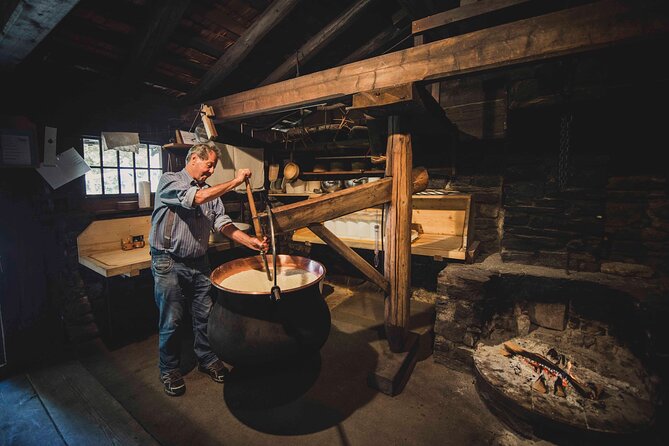
Switzerland can feel big when you split it up. Ballenberg, near Interlaken, is an open-air museum where you walk through 110 historical buildings from across the country, meet 200 farm animals, and catch traditional crafts in action.
I especially like the digital museum guide included with your ticket. It helps you follow what you are seeing so the day doesn’t turn into aimless wandering. I also love the hands-on feel of the craft demonstrations, happening inside real historic homes on the museum’s daily schedule.
One drawback to keep in mind is that the museum covers real ground. Buildings are far apart, so if you are expecting a quick “one-hour highlight loop,” you might feel stretched thin, especially if weather is rainy.
In This Review
- Key highlights to know before you go
- What Ballenberg gives you that a normal museum won’t
- Your 2 to 7 hour plan for a day that feels worth the ticket
- Inside the museum: how your walk usually unfolds
- 1) Arrival and the first cluster of buildings
- 2) Living quarters and working spaces you can actually picture
- 3) Crafts in motion
- 4) Farmyard time with the animal population
- 5) The long stretches, and why planning matters
- Price and value: when $42.24 makes sense, and when you should rethink
- Food, bathrooms, and the reality of restaurant stops
- English support, accessibility basics, and how to make it easier on yourself
- Who will love Ballenberg most in Interlaken
- The bottom line: should you book Ballenberg?
- FAQ
- How much does the Ballenberg experience cost?
- How long does the visit take?
- What is included with the ticket?
- What is not included?
- When is Ballenberg open?
- Is the experience offered in English and is it near public transportation?
- Can I cancel, and are service animals allowed?
Key highlights to know before you go
- 110 buildings from all parts of Switzerland for a true canton-by-canton feel
- 200 farm animals that make the place feel lived-in, not staged
- Digital museum guide included so you can connect houses to their purpose
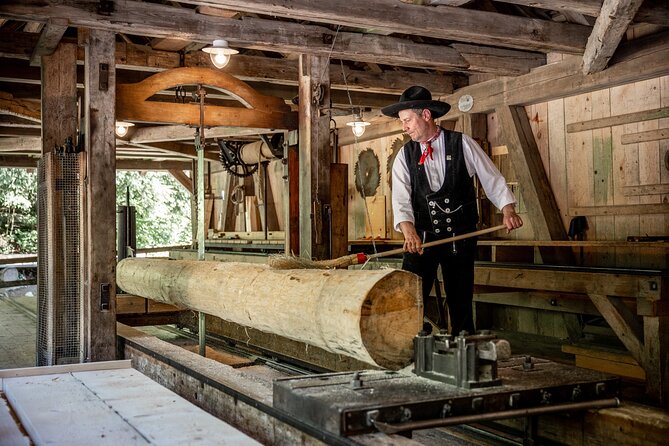
- Craft demonstrations daily with traditional work inside historic settings
- Trails through forest and meadows that reward good shoes
- English support available, so you should not feel lost
What Ballenberg gives you that a normal museum won’t
Ballenberg is built for slow walking. Instead of rooms behind glass, you step into Swiss rural life as it existed in different eras, across different regions. The museum’s basic pitch is simple: you get to experience Switzerland with your senses, not just your eyes.
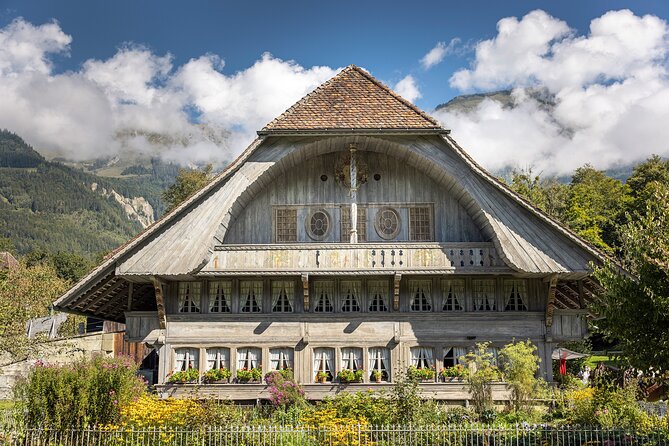
At the center are 110 historical buildings, arranged so you can see how farms, homes, kitchens, and daily routines varied from place to place. It is the kind of setting where small details matter, because you are looking at entire structures, not just objects.
Then there is the animal factor. With 200 farm animals on site, you hear, smell, and see farm life as part of the experience. Even when you are tired from walking, the farmyard energy pulls you forward.
Finally, you have the rhythm of live work. Crafts are demonstrated daily according to a schedule, inside the historic buildings. That means you are not just reading labels, you are watching skills that would have mattered to survival and community life.
A few more Interlaken days worth weighing up
- Beatenberg: Beatus Caves Entry Ticket with Museum
★ 4.6 · 253 reviews - Interlaken: Admission ticket for the Ballenberg Open-Air Museum
★ 4.8 · 31 reviews - Lindt Home of Chocolate Museum Entry Ticket
★ 4.7 · 9,329 reviews
Your 2 to 7 hour plan for a day that feels worth the ticket
This is not a “grab a ticket and sprint” kind of place. Your listed time range is 2 to 7 hours, and that range makes sense once you understand how spread out the museum is.
If you want the best odds of enjoying yourself, decide your goal before you enter:
- A quick visit: you pick a priority route and focus on the houses and crafts you care about most.
- A full day: you slow down, pause often, and treat breaks like part of the sightseeing.
I recommend building in extra time for walking between buildings. Some people get surprised by how far you cover on foot once you connect the dots across the site. Good shoes are not optional here, because paths can include forest and meadow sections.
Weather is the other time-shaper. This is outdoors, so if it is raining, plan for slower movement and more indoor stops. You may still have a great visit, but you should expect the day to feel different.
Inside the museum: how your walk usually unfolds
You have one main stop: Ballenberg Swiss Open-Air Museum. That might sound limiting, but it is the museum itself that is the itinerary, with different “zones” feeling like different mini-worlds.
Here is how the day tends to play out once you start walking:
1) Arrival and the first cluster of buildings
When you first enter, your best move is to get your bearings quickly with the digital museum guide. It is included, so use it early. I like doing this because it turns the first buildings from “pretty scenery” into “I understand why this place was built like this.”
Also, look for signs that help you track where you are in the overall layout. People often choose to go one direction and then connect back, and that approach can save time and energy.
More things to do in Interlaken:
- Interlaken: Tandem Paragliding Flight with Pilot
★ 4.9 · 2,117 reviews - Tandem Paragliding Experience from Interlaken
★ 5.0 · 1,655 reviews - From Interlaken: Guided Tour to Jungfraujoch – Top of Europe
★ 4.7 · 1,649 reviews - Interlaken: Funicular Ticket to Harder Kulm
★ 4.7 · 1,469 reviews
2) Living quarters and working spaces you can actually picture
Ballenberg’s buildings are the heart of the experience. As you move through the houses, you can see how rooms were used, what kitchens were designed for, and how a home supported day-to-day work. One theme that stands out is authenticity: the kitchens, bedrooms, and facilities are arranged to feel true to their time period.
This is where the museum can be especially satisfying if you like practical details. You are not just seeing “a historic house,” you are seeing how it functioned.
3) Crafts in motion
As you walk, you will run into craft settings where traditional work is demonstrated on the museum’s daily schedule. This is a highlight because it adds sound, pace, and meaning to the buildings around you.
If you like photography, crafts are often easier to capture than empty corners. Just be ready for brief moments where you have to move with the flow of demonstrations.
4) Farmyard time with the animal population
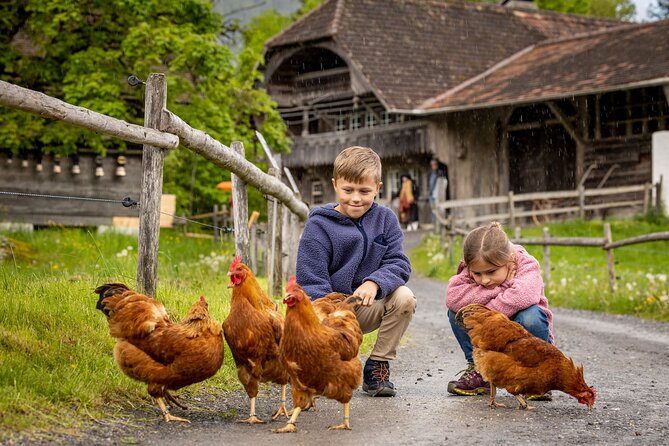
With 200 farm animals available, you can build in breaks that feel natural. The animal areas work as “reset buttons” during long walks, and they also make the museum more than an architectural tour.
Even if you are not an animal person, you will probably appreciate the energy. It keeps the day from feeling like a series of buildings you pass through.
5) The long stretches, and why planning matters
The museum is big. Buildings are far apart, and that is part of the experience, but it can become tiring. If you notice rooms that feel sparse or if some areas look quieter, it can be because the museum runs like a living site, not a single indoor route.
There can also be limited work happening. One key thing to know is that major disruption is not the norm. If a building is under construction, it is described as an original historic building being translocated, with only minor renovations elsewhere. Still, if you hit a day when you are hoping for maximum “everything at full speed,” you might need to adjust expectations.
Price and value: when $42.24 makes sense, and when you should rethink
The listed price is $42.24 per person, and your ticket includes museum entry plus use of the digital museum guide. That matters because so much of what you are paying for is the time on site and the interpretive support that keeps you engaged.
On value, I think Ballenberg works best when you commit to the day. If you treat it like a quick walk, the price can feel steep against the time you get. The museum’s own design encourages longer visits, and the “2 to 7 hours” range is not just a marketing detail.
Also pay attention to what is not included:
- Parking fees are not included
- Carriage rides on the premises are not included
If you are arriving by car, those add-ons can change the day’s cost. And if you were planning to rely on carriage rides to skip walking, you should know that you would be paying extra.
If you want to stretch your budget, plan for food wisely. More on that next, but the simple idea is this: bring picnic supplies if you are trying to keep costs under control, especially if restaurant waits and prices could frustrate you.
One more value angle: there are group discounts, and the experience is offered in English. If you are going with friends or family, grouping can help the per-person math.
Food, bathrooms, and the reality of restaurant stops
Let’s talk practical stuff that affects your enjoyment.
First, the good news: the bathrooms are described as nice and clean. That might sound like a small detail, but it changes how long you can comfortably stay on site.
For food, you have two modes: restaurants or picnic. I like the “plan a picnic” approach because it gives you control. One of the best pieces of advice I can give for a place this spread out is simple: don’t wait until you are hungry and then hunt for the least convenient option.
The restaurant experience is where opinions can diverge. Some people found service frustrating, including a reported long wait at one spot and complaints about quality versus price. There is also a specific complaint about being charged Fr. 7.50 for tap water. If you are sensitive to food costs or slow service, you will probably enjoy the day more with your own provisions.
If you do eat on site, treat it like a bonus, not your anchor. You do not want your whole schedule to depend on restaurant timing when the museum already demands walking time.
English support, accessibility basics, and how to make it easier on yourself
You are listed as getting the experience in English, and the on-site approach includes interpretive help through the digital museum guide. One of the best things about having English support is that you can spend more time noticing details and less time trying to decode what you are looking at.
I also like that the museum is described as near public transportation. That matters in Interlaken, where parking logistics can be annoying. If you can take transit, you can keep the day smoother.
On participation: the info says most travelers can participate. Since the site involves walking between buildings, you should still be honest with yourself about mobility and comfort. Even if you can participate, you might want to plan your pace and add rest stops so the day stays fun, not stressful.
Service animals are allowed. If that is relevant for your group, you can feel more comfortable planning your visit around your needs.
Who will love Ballenberg most in Interlaken
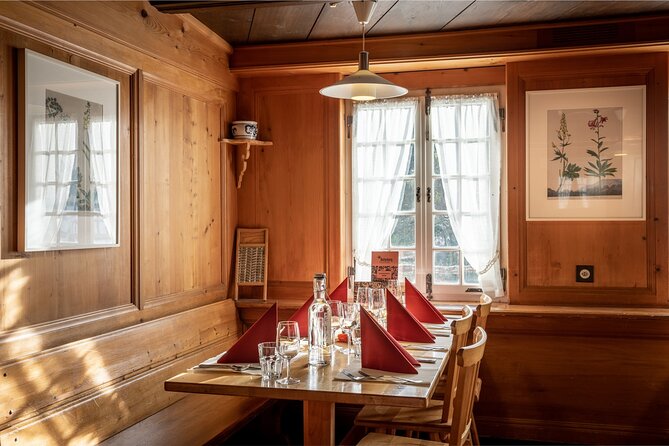
Ballenberg is especially suited for people who enjoy everyday life details. If you like architecture with function, rural history in plain language, or hands-on crafts, you will probably have a great time.
It is also a strong pick for:
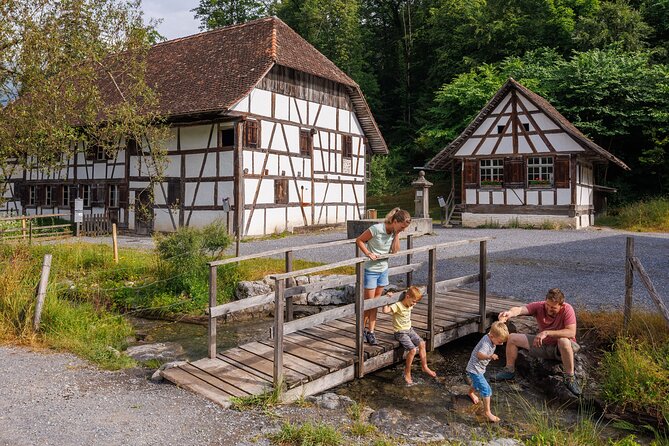
- Families and kids because animals and real buildings keep attention moving
- Friends and multi-generational groups because there is something to do even if interests vary
- People who want a break from cities but still want structure and meaning
I would be slightly more cautious if you:
- want a quick stop of under 2 hours
- hate long walking days
- are strongly food-price sensitive and dislike waiting in restaurants
The bottom line: should you book Ballenberg?
Book Ballenberg if you want a full, outdoorsy Swiss day where buildings, animals, and crafts work together. The ticket includes what you actually need to enjoy it, entry plus a digital guide, and the museum’s scale means you will get your money’s worth more often when you stay at least half a day.
I would reconsider if you are aiming for a short, tightly scheduled visit. The museum’s strengths are built on time and walking, and the site can feel spread out if you rush it.
If you come prepared, wear good shoes, and plan food in a way that fits your patience level, Ballenberg can be one of the most satisfying “Switzerland in real life” experiences around Interlaken.
FAQ
How much does the Ballenberg experience cost?
The listed price is $42.24 per person.
How long does the visit take?
The duration is listed as 2 to 7 hours (approx.).
What is included with the ticket?
The experience includes museum entry and use of the digital museum guide.
What is not included?
Parking fees are not included, and carriage rides on the premises are not included.
When is Ballenberg open?
From 04/09/2026 to 11/01/2026, Monday to Sunday, it is open from 10:00 AM to 5:00 PM.
Is the experience offered in English and is it near public transportation?
Yes, it is offered in English, and it is near public transportation.
Can I cancel, and are service animals allowed?
You can cancel up to 24 hours in advance for a full refund. Service animals are allowed. Confirmation will be received at time of booking.
Newly reviewed around Interlaken
- Day/Night Sledding + ALL-YOU-CAN-EAT Cheese&Chocolate Fondue★ 4.7 · 4 reviews
- Private Swiss Cheese and Chocolate Tour from Interlaken★ 5.0 · 9 reviews
- Griesalp UNESCO Alpine E-Bike Adventure from Interlaken★ 5.0 · 5 reviews
- See It All Sightseeing Tour Tickets incl. From Bern + Interlaken★ 5.0 · 7 reviews
- Paragliding Tandem in Switzerland★ 5.0 · 9 reviews
- Tandem Paragliding in Interlaken★ 5.0 · 3 reviews
- Snowshoe Adventure in the Swiss Alps★ 5.0 · 29 reviews
- Mt. Schilthorn & Mürren Private Day Trip from Interlaken★ 5.0 · 6 reviews
Museums, compared.
City Tour with Lake Cruise + Optional FIFA Museum
Read our review →
Beatenberg: Beatus Caves Entry Ticket with Museum
Read our review →

Lucerne Swiss Museum of Transport Entrance Ticket
Read our review →Browse the lists this tour appears in