
Reviewed · WALKING TOURS
1.5-Hour Small-Group Nightwatchman Walk in Medieval Lucerne
A night watchman’s horn wakes up medieval Lucerne. This small-group Nightwatchman walk turns the city’s landmarks into a living story, from stone houses and old churches to bridges, law, and the tricky politics that shaped daily life. You follow a guide in period-style clothing, with fire-horn drama at the start and visual projections that help you connect what you see on the street to what Lucerne looked like long ago.
What I really like is the mix of places plus details that stick. You’ll get a close look at Lucerne’s first city map, the Martiniplan (1597), and you’ll also walk away with a sharper sense of how medieval life worked, including the strange and scary bits like torture rooms and interrogation methods.
One thing to consider is pace. If you’re sensitive to walking at night, you may feel it moving quickly, and a couple moments lean a bit gory, like the tour’s references to punishment and detention spaces.
In This Review
- Key things that make this Nightwatchman walk work
- A Nightwatchman Walk That Turns Streetlights into Medieval Lucerne
- Price and Timing: 90 Minutes for $39.54, What Feels Like Good Value
- Meeting Rosengart Platz and Surviving Night Weather Without Stress
- Peterskapelle and the Martiniplan: Lucerne’s First Map, 1597
- Chapel Bridge and the Water Tower: Decades Apart, Same Story
- Furrengasse, Ghost Legends, and Kornmarkt’s Measures That People Actually Used
- Brandgässli and Weinmarkt: Riot Stories and Latin on House Signs
- Im Zöpfli and the River Walk: Law and Punishment Under the Stars
- Alte Suidtersche Apotheke and Ritterscher Palace: Medicine Windows and Dance of Death
- Ending Back at Chapel Bridge: The Diagonal Bridge and the Paintings You Missed First
- Who This Tour Suits Best
- Should You Book This Medieval Nightwatchman Walk?
- FAQ
- How long is the Nightwatchman walk in medieval Lucerne?
- Is the tour offered in English?
- What group size should I expect?
- Where do I meet, and does it end nearby?
- Does the tour run in bad weather?
- Are tickets for every stop included?
- Are children allowed, and do they pay?
- What is the cancellation policy?
Key things that make this Nightwatchman walk work
- Martiniplan (1597) in real context: see routes on the first map and compare them to buildings still there today
- Projections and period storytelling: the guide uses a projector to make medieval scenes easier to picture
- Chapel Bridge and the Water Tower timeline: learn how the Water Tower predates the bridge by decades
- Gothic symbols you can spot on facades: murals, house signs, and official measures on buildings
- A lot fits into 90 minutes: you’ll get an efficient overview without feeling rushed through the important stops
- Ralf-powered energy: reviews single out Ralf as funny, personable, and excellent at pointing out what to look for
A Nightwatchman Walk That Turns Streetlights into Medieval Lucerne
Lucerne at night has a different rhythm. It is quieter, colder, and way more honest about the weather. So a night walk is a smart match for a tour built around a night watchman character, fire-horn atmosphere, and stories that feel like they belong in candlelight.
This one is designed for small groups, up to 15 people. That matters because you are not just shuffling through crowds. You can actually hear the guide, see what they point at, and follow the visual aids instead of guessing.
And it is not a vague history lecture. The tour leans on specific objects and spots you can stand in front of: a first city map, bridges with known construction dates, house signs with Latin, and projected images about justice and interrogation. Even if you only want a “great overview,” this gives you enough anchors that your next walk through Lucerne will make more sense.
More Walking Tours in Lucerne
- Lucerne: Private Walking Tour with a Local Guide
★ 4.6 · 450 reviews - Lucerne Walking & Boat Tour: The Best Swiss Experience
★ 4.5 · 417 reviews - Lucerne: Guided Walking Tour with an Official Guide
★ 4.7 · 321 reviews
Price and Timing: 90 Minutes for $39.54, What Feels Like Good Value
At $39.54 per person for about 1 hour 30 minutes, the price is fair for a guided, small-group night experience in central Lucerne. You are paying for more than someone walking beside you. You are paying for a guide who uses projections, tells tight stories at each stop, and helps you translate architecture into meaning.
Two details help justify the cost. First, the guide is dressed in a medieval style, which makes the pacing and tone click. Second, the tour includes some extras like exclusive postcards and taxes and handling fees. You also get little moments that turn it from sightseeing into participation, like tasting fountain water (served with cups).
The main “watch-out” for value is the admission notes at a few stops. Some sites explicitly say admission is not included, so you might need to budget a bit more if you decide to enter those places rather than just view the exterior. If you’re happy with seeing exteriors and learning the stories, you can still get a full experience.
Booking demand also hints at quality. On average, this tour is booked about 44 days in advance, which usually means people come prepared and tend to stick with it.
Meeting Rosengart Platz and Surviving Night Weather Without Stress
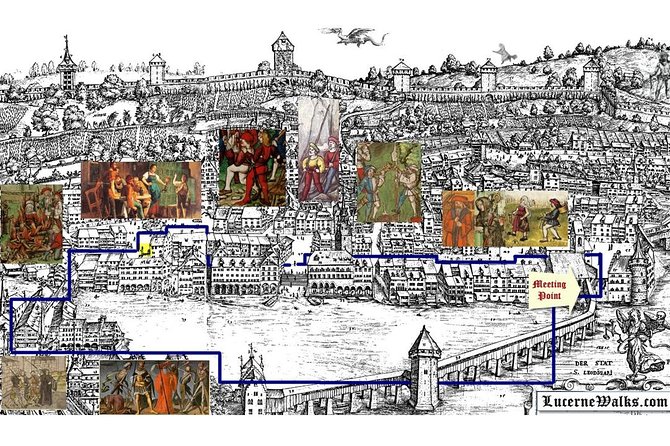
You meet at Rosengart Platz, 6004 Luzern, and the walk ends back at that same meeting point. That is convenient. You do not have to worry about figuring out a late-night transit plan after 90 minutes.
Expect the tour to run rain, snow, or shine. So dress like you are going to stand still sometimes. You’ll want layers, warm shoes, and an umbrella or rain coat. The night part is fun, but your feet need to be comfortable enough to keep going.
It also helps that it is offered in English and the tour uses visuals that work well at night. A projector makes a big difference because you are not just taking the guide’s word for what existed. You can see the map routes and projected images while you stand in the right place.
Peterskapelle and the Martiniplan: Lucerne’s First Map, 1597
The tour starts at Peterskapelle with a dramatic signal, a fire horn, followed by an invocation. It sets the mood fast, and it is a clever way to get people quiet enough to hear. Then the Nightwatchman frames his own hard life in the Middle Ages and introduces what you will see next.
This is where you’ll love the Martiniplan (1597). The guide uses a projector for a close look at the first map of Lucerne and shows the routes on it. What makes this moment special is that you are not staring at history in a museum. You’re learning how to read your surroundings by comparing the old map to buildings that still exist today.
At this same stop, you see St. Peter’s Chapel, described as the first church in town dating back to the 12th century. You’ll also get the story behind the first private stone house in Lucerne and how the expression stone rich connects to wealth and building material.
Practical note: Peterskapelle lists admission ticket not included. That usually means you should plan for exterior viewing as part of your main value. If you want to go inside, you may need to arrange that separately.
A few more Lucerne days worth weighing up
- Exclusive Private Lucerne Walking Tour with Local Guide 3 Hours
★ 5.0 · 80 reviews - Lucerne: Private Walking Tour with a Local Guide
★ 4.2 · 34 reviews - Lucerne Walking Tour: Explore Top Sights & Hidden Gems
★ 5.0 · 24 reviews - Lucerne: Express Walk with a Local in 60 minutes
★ 4.6 · 21 reviews
Chapel Bridge and the Water Tower: Decades Apart, Same Story
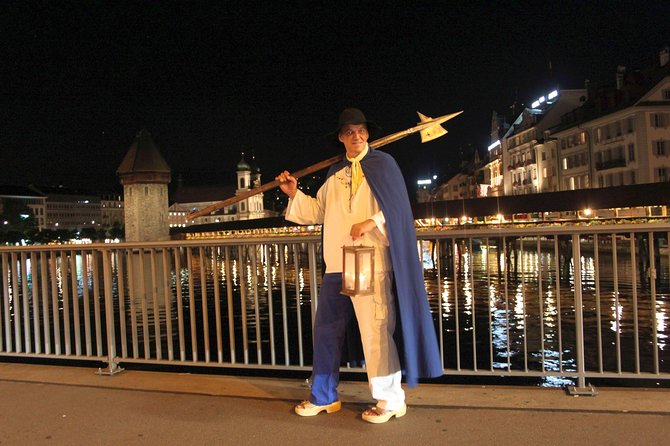
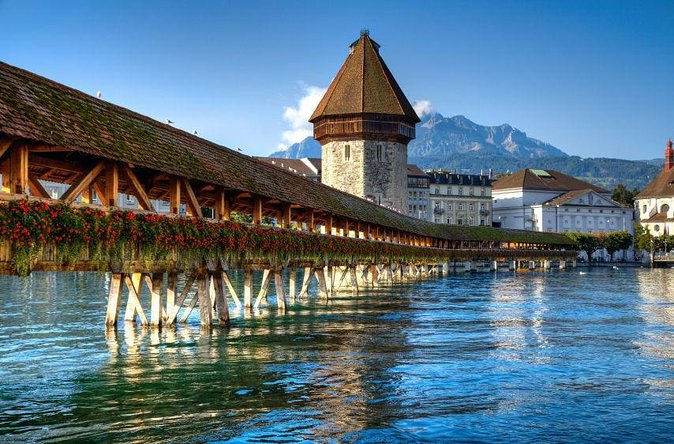
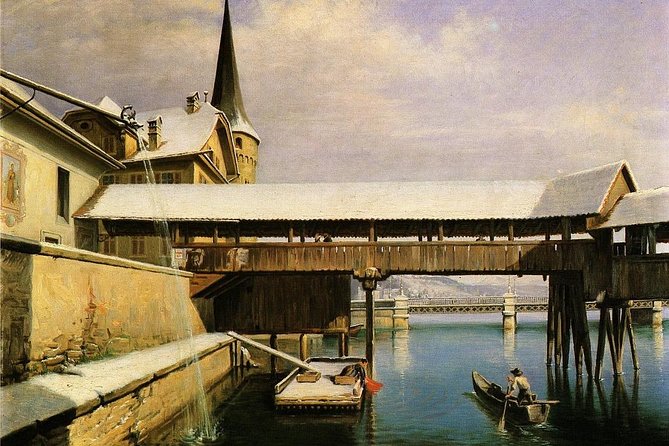
Chapel Bridge is the headline in Lucerne, but this tour gives you a reason to look beyond the postcard view. You learn that the Water Tower was built in the late 13th century, while Chapel Bridge dates to 1365. That time gap matters because it explains how Lucerne evolved in practical steps rather than as one single construction miracle.
At this stop, the Nightwatchman shares what the Water Tower contained, including references to a torture chamber, dungeon, and a secret room. Even if you do not get chills easily, this is one of those moments that turns an old structure into a document of how power worked.
You also hear where Chapel Bridge got its name from. That kind of detail is the difference between seeing a bridge as scenery and understanding it as an object with language, function, and local meaning.
The tour repeats Chapel Bridge again near the end, so this first visit becomes a foundation. When you see it later with paintings and the bridge’s diagonal design explained, the place clicks into focus faster.
Furrengasse, Ghost Legends, and Kornmarkt’s Measures That People Actually Used
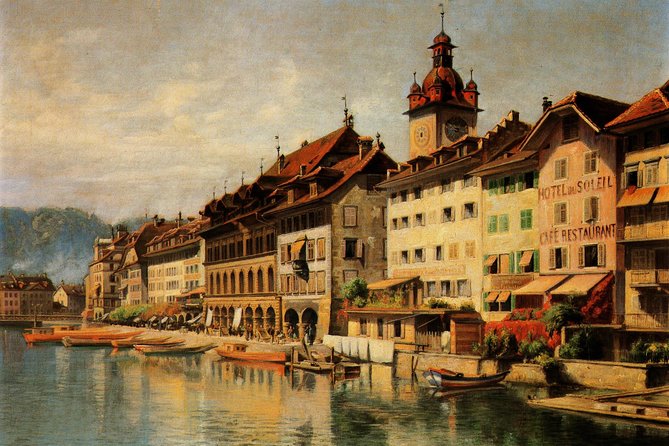
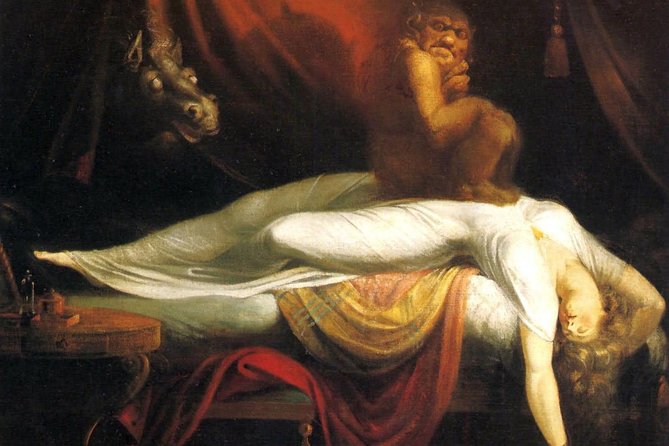
Moving through the older streets, you come to Furrengasse near Kapellplatz. This segment leans into the spooky side of municipal life. You hear about a ghost and the Toggeli, described as an incubus also known as a love robber. It is the kind of story that might sound like folklore, but it also helps you feel what medieval people did with fear, rumor, and morality.
Then you head to Kornmarkt, the Town Hall Square. Here, you get architecture plus civic detail. The guide points out the Renaissance Town Hall and its tower, including the detail of a clock without a minute hand. That is the kind of specific design choice you might miss on your own.
You also hear the story of the Giant of Reiden, and you see Lucerne Foot and Elle, official measures of Old Lucerne. Those units matter because they show how cities regulated trade and building. It’s not just gothic decoration. It is infrastructure for everyday business.
This section is a good example of why a guided night walk works. At night, facades and symbols are easier to notice because the lighting forces your attention to edges, carvings, and markings.
Brandgässli and Weinmarkt: Riot Stories and Latin on House Signs
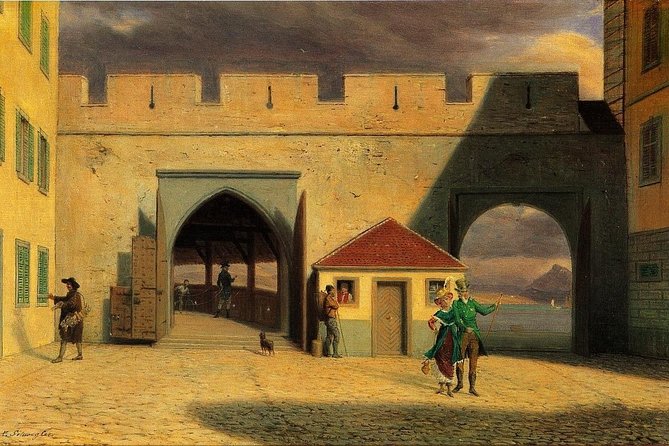
At Brandgässli Alley, the tour shifts to conflict. You learn about the Riot of Lucerne and then continue toward the former fish market, now known as the wine market. This change of use is a theme you will see throughout Lucerne: old spaces stay, but their purpose shifts with time.
Then you arrive at Weinmarkt, where you can slow your eyes down. You’ll notice old guest house signs and frescos on houses. One highlight is Renward Cysat’s former pharmacy house, where you read the Latin sentence: Amor medicabillis nullis herbis, meaning there is no cure for a broken heart.
At Weinmarkt, you also hear about the reformation and counter reformation. Even if you already know the broad European story, the way it is tied to specific places makes it feel local instead of distant.
You also get that famous night-walk detail, a glass of the best water Lucerne. Reviews mention the guide providing cups to taste fountain water, and this stop is where that moment fits. It is small, but it makes the tour more memorable than just listening.
And near the lower wine market, you pass the location where the pillory was located. That is another reminder that justice was public and physical.
Im Zöpfli and the River Walk: Law and Punishment Under the Stars
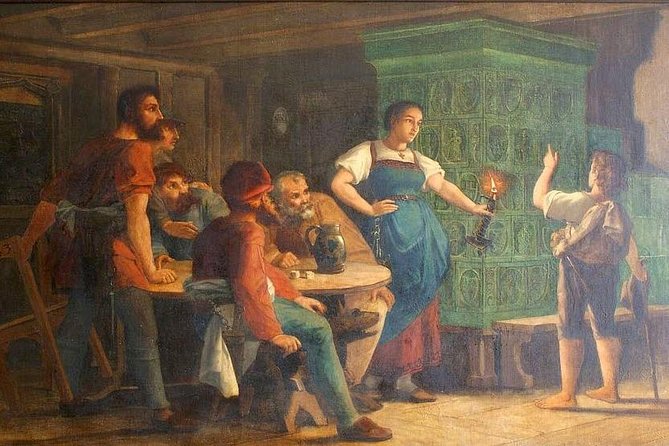
At the riverside square called Zöpfli, the tour talks about law and order in Old Lucerne. The guide uses projected paintings about the methods of prosecution, interrogation, and corporal punishment. This is where the “gory at times” comment from reviews starts to make sense, because the guide does not sanitize the darker parts of medieval justice.
That said, it is not random horror storytelling. It’s part of the city’s explanation for how people were controlled, how guilt was pursued, and how civic order was maintained. If you can handle grim details, this stop gives you a more complete sense of medieval life than a purely charming walk would.
You then pass the bridge Reussbrücke and see the Spreuerbruecke (Mill Bridge), plus the Needle Dam and parts of the Musegg Wall. This is a scenic section, but it still connects back to history, because bridges were not just ways across water. They were choke points, defense lines, and trade routes.
Alte Suidtersche Apotheke and Ritterscher Palace: Medicine Windows and Dance of Death
One of the most striking moments comes at Alte Suidtersche Apotheke. The Nightwatchman brings your attention to a medieval pharmacy window described as breathtaking. This is one of those facades that works especially well on a night tour because the focus is on details you might normally rush past.
Admission for this stop is also listed as not included, so again, think of this as a guided look at the building and its story rather than an included interior visit.
Next is Ritterscher Palace Lucerne. The guide talks about guardian demons and stops at the legendary house of Lux Ritter, including why the first two floors look different from the third. Then you hear the story of Hans von Trient, the unlucky stonemason.
The biggest “art at the street level” moment here is the Dance of Death. You will see the pictures projected on a house wall, and the guide explains details as you look. That combination of storytelling plus visible imagery is a big reason people rate this tour so highly. You don’t need to be an art history person. The guide translates what you see into meaning.
The tour also passes the Church of the Jesuits, described as the first baroque building in Switzerland dating back to 1677. It’s a quick but useful marker for a different chapter of Lucerne’s story after the medieval period.
Ending Back at Chapel Bridge: The Diagonal Bridge and the Paintings You Missed First
Near the end, you cross Chapel Bridge again. This time you look for paintings and the reasoning behind the bridge being built diagonally over the river. You also reach the starting point, where the tour ends.
This last stretch is valuable because it lets your brain connect earlier explanations to what you are seeing in real time. After you’ve learned about the Water Tower and the bridge’s age, you notice more: how people use the crossing, how it frames the river, and how the facade stories fit into the bigger civic puzzle.
If you have time after the tour, take a slow walk on your own and look for the visual clues you were taught to spot. The tour gives you a way of reading Lucerne that sticks.
Who This Tour Suits Best
This is best for you if:
- you want a 90-minute orientation to medieval Lucerne without a big museum plan
- you like stories with clear place references, like maps, house signs, and bridges
- you enjoy gothic folklore and civic history, including law and punishment
- you appreciate visual aids like projections and on-site comparisons
It’s also a good pick for families, since children up to 12 are free with an adult and reviews call it fun for families. Just note the tour includes some darker themes.
If you dislike walking in cold weather at night or you cannot handle grim topics, you might want to skip it or go in expecting those elements.
Should You Book This Medieval Nightwatchman Walk?
Yes, if you want something more memorable than a standard history walk. The price is reasonable for a small-group night experience with projections, specific stops like the Martiniplan, and a guide in character style. The strongest proof is how often the guide performance comes up, including praise for Ralf being personable and entertaining while still teaching.
Book it especially if this is your first time in Lucerne or your first time trying a guided walking tour. The payoff is practical: you leave with a mental map of where medieval Lucerne’s power and daily life show up in today’s streets.
Just go prepared. Wear warm layers, expect some gory references, and remember a couple sites list admission as not included. If you’re good with that, this walk is one of the most direct ways to understand Lucerne after dark.
FAQ
How long is the Nightwatchman walk in medieval Lucerne?
The tour lasts about 1 hour 30 minutes.
Is the tour offered in English?
Yes, the tour is offered in English.
What group size should I expect?
The tour has a maximum of 15 travelers.
Where do I meet, and does it end nearby?
You start at Rosengart Platz, 6004 Luzern and the activity ends back at the same meeting point.
Does the tour run in bad weather?
Yes. Tours take place rain, snow, or shine, and you should dress appropriately and bring an umbrella or rain coat.
Are tickets for every stop included?
No. Some stops list admission ticket not included, while others are free. If you plan to enter specific sites, you may need separate admission.
Are children allowed, and do they pay?
Children up to twelve years old are free, as long as they are accompanied by an adult.
What is the cancellation policy?
You can cancel for a full refund up to 24 hours in advance of the experience start time.
Newly reviewed around Lucerne
- Zurich: Adventure to Lucerne & Pilatus Gold or Silver tour★ 4.8 · 8 reviews
- Private Transfer: Lucerne to Zurich Airport ZRH by Business Car★ 5.0 · 11 reviews
- Private Transfer: Lucerne to Zurich Airport ZRH by Luxury Van★ 4.5 · 6 reviews
- The Lives and Legends of Lucerne: A Self-Guided Audio Tour★ 5.0 · 6 reviews
- Walking Tour – Around the Old Town Lucerne★ 3.5 · 3 reviews
- Touristic highlights of Lucerne on a Private half day tour with a local★ 4.0 · 5 reviews
- Natural Wonders of Switzerland from Lucerne (1 Day Private Tour)★ 5.0 · 21 reviews
- Revealing Lucerne: Self-Guided Audio City Tour★ 4.0 · 20 reviews
Walking Tours, compared.

Zurich Walking Tour With Cruise and Aerial Cable Car
Read our review →

Lucerne Walking & Boat Tour: The Best Swiss Experience
Read our review →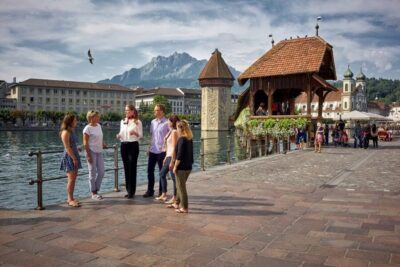

3 in 1: Zurich Walking Tour – Cruise on the Lake – Cable Car Ride to Felsenegg
Read our review →Browse the lists this tour appears in